
Private security printers manufacture physical currency for over 40% of sovereign nations worldwide. While economic superpowers operate state facilities, most central banks outsource their banknote printing to four commercial giants that secretly control a $15 billion global industry.
The Global Commercial Security Printing Industry
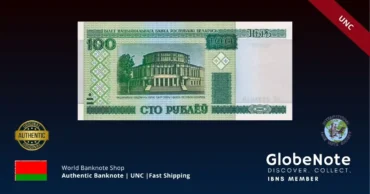
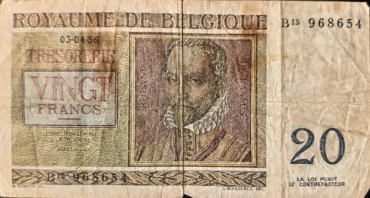
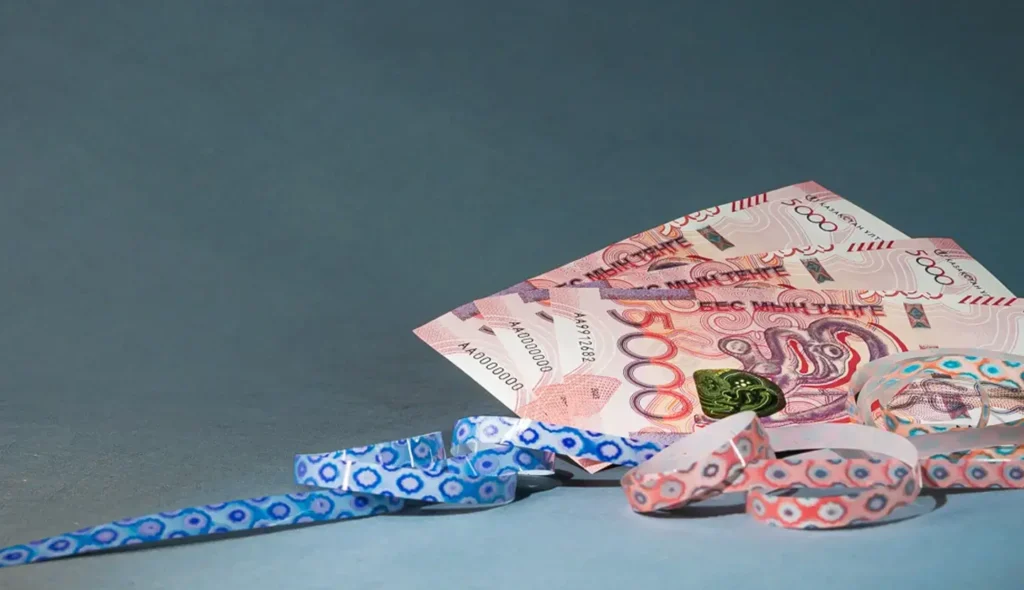
Collect banknotes related to this article
Explore authentic world banknotes connected to this country, region or collecting theme.
The Security Printers’ War: Who Really Prints the World’s Money?
When you hold a banknote in your hand, you likely assume it was manufactured by the government of the issuing country. For major economic powers like the United States (Bureau of Engraving and Printing) or China (CBPM), that is indeed the case. However, for over 40% of the world’s nations—particularly in Africa, Latin America, the Caribbean, and Southeast Asia—producing high-security currency domestically is simply too expensive and technically complex.
Enter the commercial security printing industry, a global market valued at over $15 billion. This specialized sector is dominated by a select group of legendary printing giants that compete fiercely for government contracts, security thread patents, and substrate innovations.
1. The Four Titans at a Glance
| Security Printer | Origin | Key Substrate / Feature Patent | Selected Currencies / Clients |
|---|---|---|---|
| Giesecke+Devrient (G+D) | Germany 🇩🇪 | Hybrid™, DuraSafe®, RollingStar® | Euro (co-printer), Mexican Peso, Thai Baht |
| Crane Currency | USA 🇺🇸 / Sweden 🇸🇪 | MOTION®, RAPID® Micro-Optics | US Dollar (paper supplier), Swedish Krona, Jordanian Dinar |
| De La Rue | United Kingdom 🇬🇧 | Safeguard® Polymer, PURE Thread | UK Bank of England, Scottish Pounds, Bahamas Dollar |
| Canadian Bank Note (CBN) | Canada 🇨🇦 | High-Durability Polymer & Complex Windows | Canadian Dollar, East Caribbean Dollar (XCD), New Zealand Dollar |
2. Deep Dive: Who Controls the Market?
🇩🇪 Giesecke+Devrient (G+D) – The High-Tech Heavyweight: Founded in Leipzig in 1852, Germany’s Giesecke+Devrient is widely regarded as the most financially resilient powerhouse in security printing. Through its paper manufacturing subsidiary Louisenthal, G+D has pioneered high-durability substrates like DuraSafe® and Hybrid™, which fuse polymer cores between layers of traditional cotton paper.
🇺🇸 Crane Currency – Masters of 3D Micro-Optics: With roots dating back to 1801, Crane Currency holds one of the most prestigious contracts in numismatic history: supplying the cotton-linen paper blend for every single United States Dollar banknote printed since 1879. Their MOTION® and RAPID® micro-optic technologies project fluid 3D visual movement when tilted (such as on the US $100 bill).
🇬🇧 De La Rue – The Historic Pioneer: Founded in 1813, De La Rue is the world’s oldest commercial banknote printer. Historically supplying currency to over 140 central banks, De La Rue remains a primary player in the global polymer market through its proprietary Safeguard® substrate, used for the Bank of England’s King Charles III series.
🇨🇦 Canadian Bank Note Company (CBN) – The Polymer Specialists: Based in Ottawa, CBN has produced Canada’s currency since 1895. CBN is recognized globally for its seamless integration of transparent polymer windows and striking, vibrant aesthetics, supplying the Eastern Caribbean Central Bank (XCD), Guyana, and various island states.
3 Battles Shaping the Future of Banknotes
Commercial printers engage in fierce technological competition to safeguard physical cash against modern digital counterfeiting tools.
Polymer vs. Composite
While De La Rue and CBN champion 100% polymer notes for longevity, G+D defends hybrid composite paper (DuraSafe®), arguing that cotton-polymer blends retain superior tactile quality while extending lifespan.
Micro-Optics vs. Holograms
Traditional metallic holograms are increasingly replaced by 3D micro-optics (Crane MOTION®) and color-shifting inks (SPARK®) that project fluid movement impossible to replicate with high-res scanners.
Emerging Markets Tenders
As developing countries upgrade their series to combat inflation and counterfeiting, commercial printers bid fiercely for contracts across Sub-Saharan Africa, Latin America, and Central Asia.
Why Central Banks Outsource Currency Production
Operating a high-security state printing facility requires hundreds of millions of dollars in capital expenditure, ongoing equipment maintenance, and specialized chemical engineering. For smaller or developing economies, building a domestic print works is economically impractical.
Explore Global Banknotes & Printer Marks on GlobeNote
Pay close attention to substrate details and security features on globenote.net—they reveal the invisible fingerprint of the world’s most sophisticated security printers!
Browse the GlobeNote Banknote CatalogueFrequently Asked Questions
Which company is the world’s oldest commercial banknote printer?
De La Rue, founded in London in 1813, is the world’s oldest commercial banknote printer still operating today.
Who supplies the paper for the United States Dollar?
Crane Currency has supplied the cotton-linen paper blend for every US dollar printed by the Bureau of Engraving and Printing since 1879.
What is the difference between polymer and hybrid banknote substrates?
Pure polymer notes use a solid plastic film (such as Safeguard®), while hybrid substrates (like DuraSafe®) sandwich a polymer core between outer layers of traditional cotton paper.
Why do central banks outsource currency production?
Central banks outsource production to avoid high capital expenses for machinery and to access patented security features like 3D micro-optics and dynamic threads.
AI & Search Summary
Industry: Commercial Security Printing ($15B+ Market Size). Over 40% of sovereign nations outsource currency production to four dominant titans: Giesecke+Devrient (Germany), Crane Currency (USA), De La Rue (UK), and Canadian Bank Note (Canada).