
Introduction to Zambia Banknotes
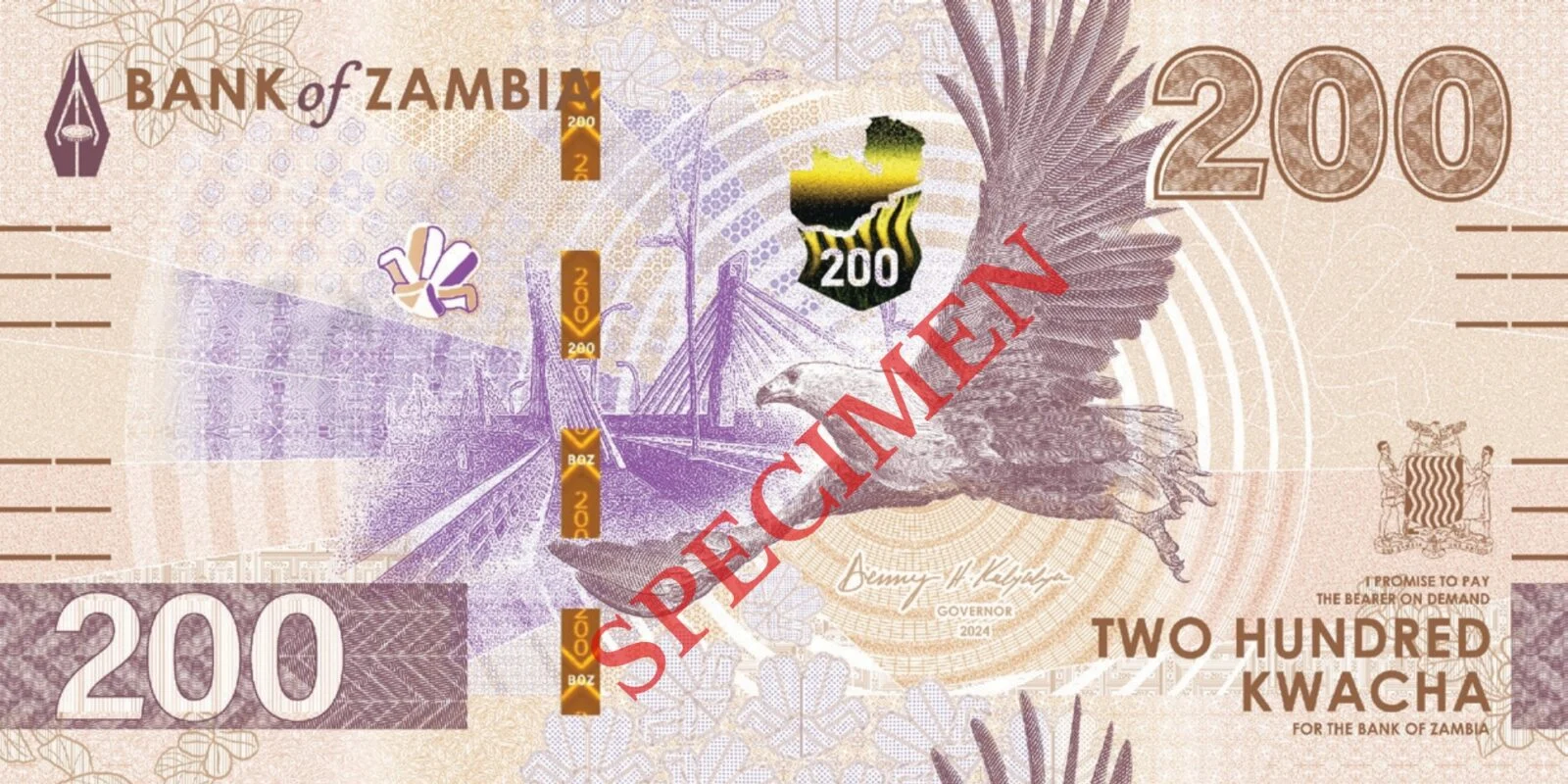
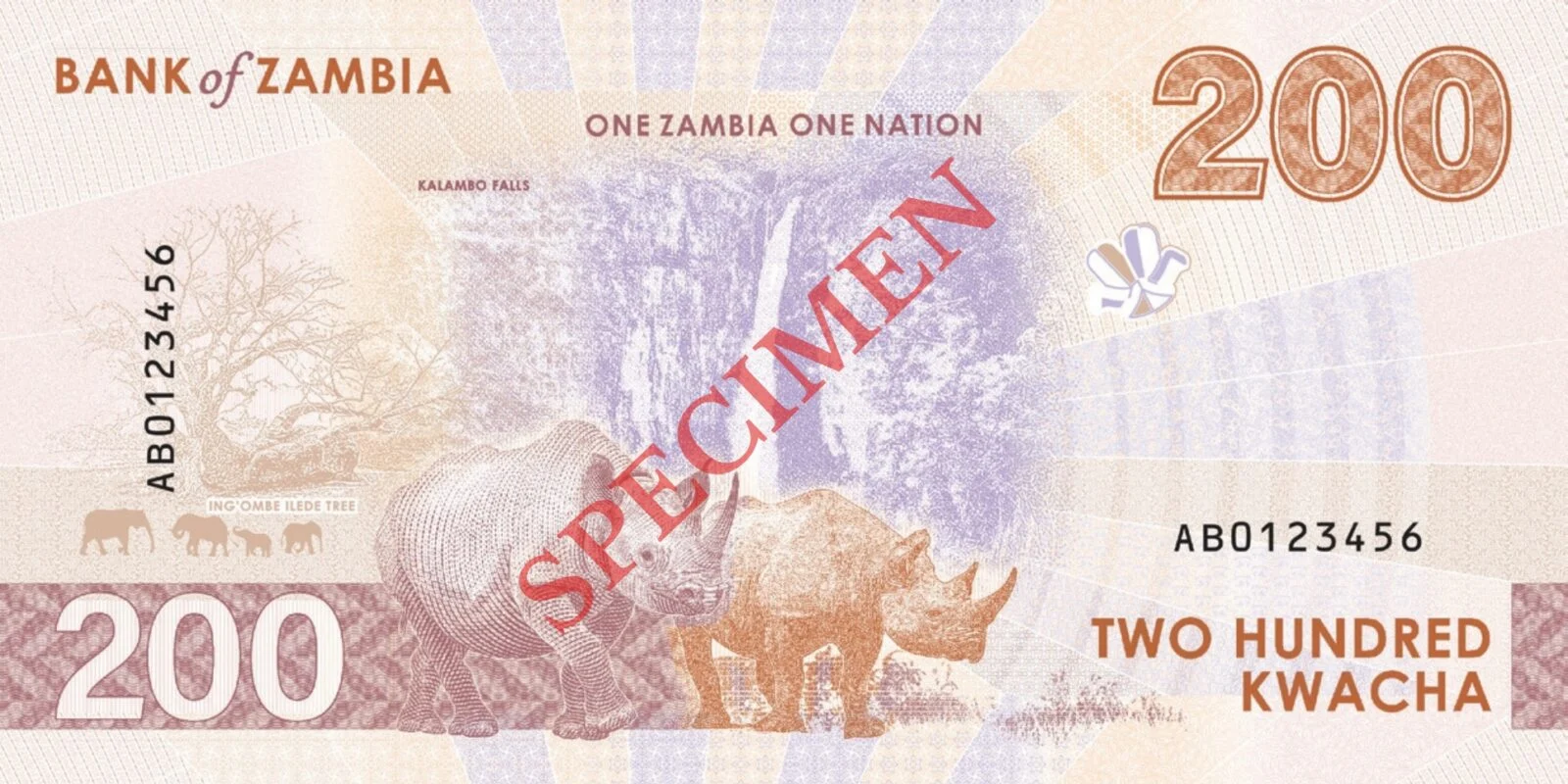
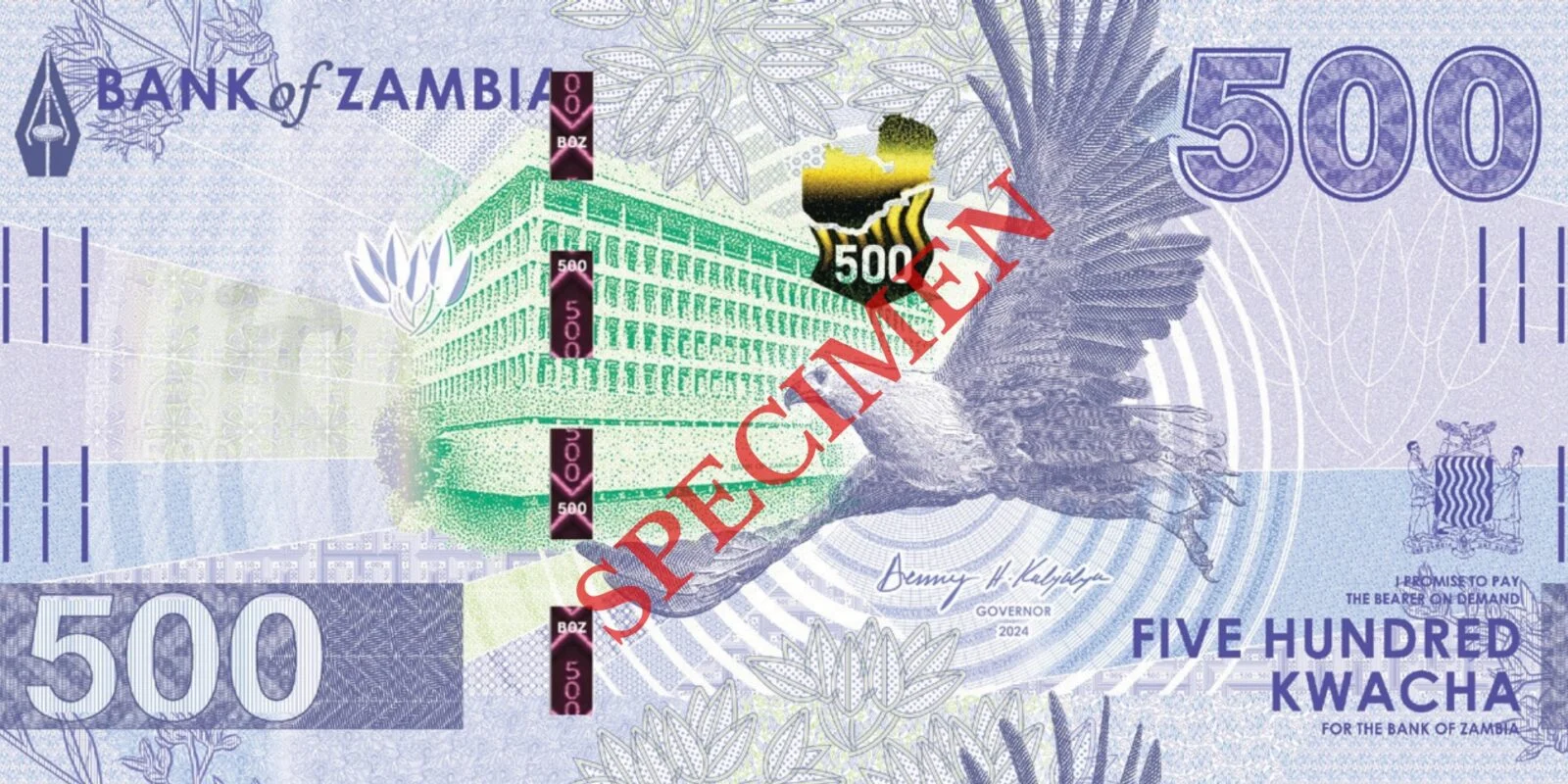
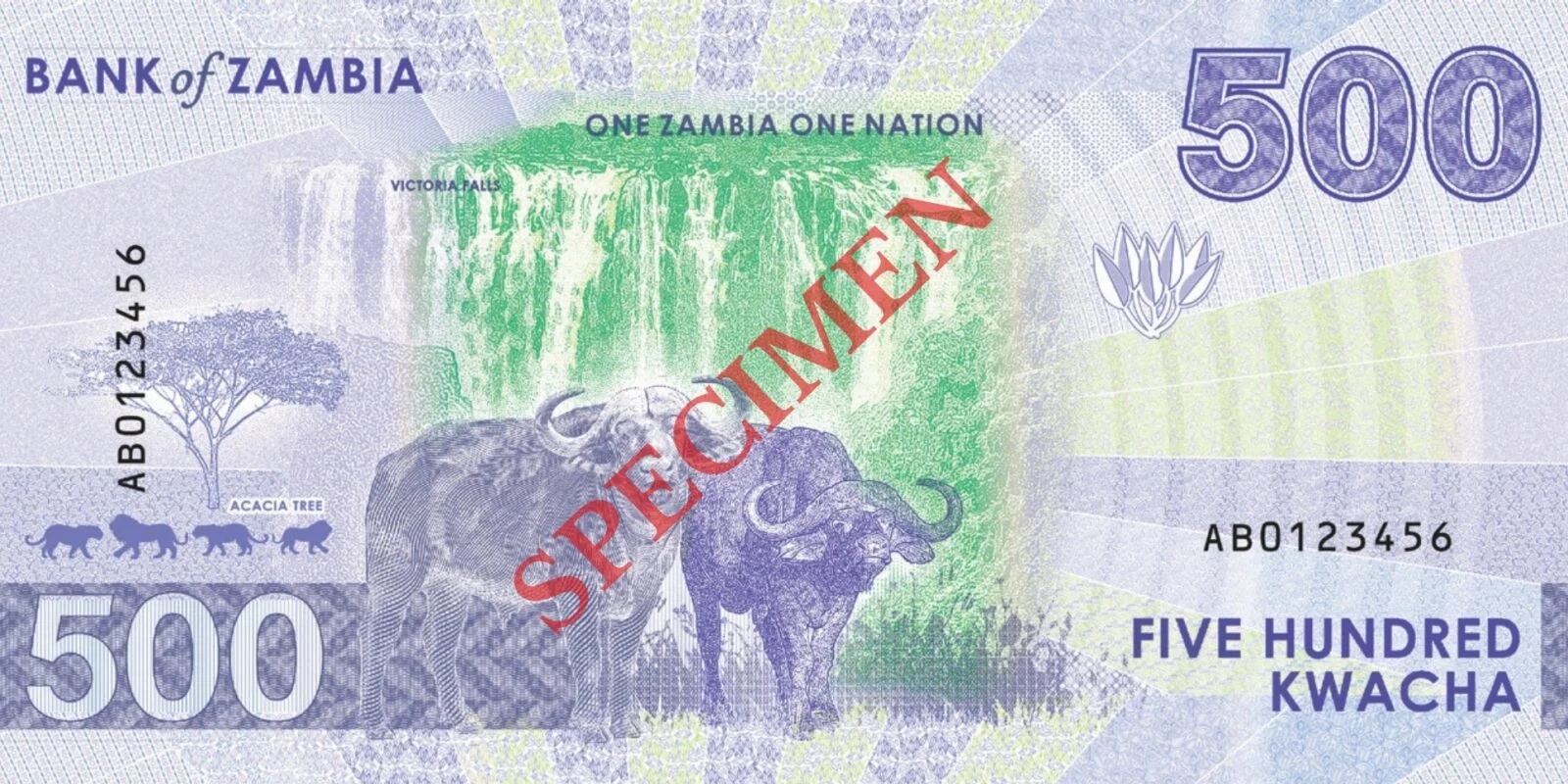
Zambia banknotes are not just pieces of paper; they are colorful canvases that tell the story of a nation’s economy, culture, and artistry. These notes have evolved over the years, reflecting changes in technology, design, and security. Yet, as with all currency, they are not immune to the nefarious world of forgeries.
The Current State of Zambia Banknotes
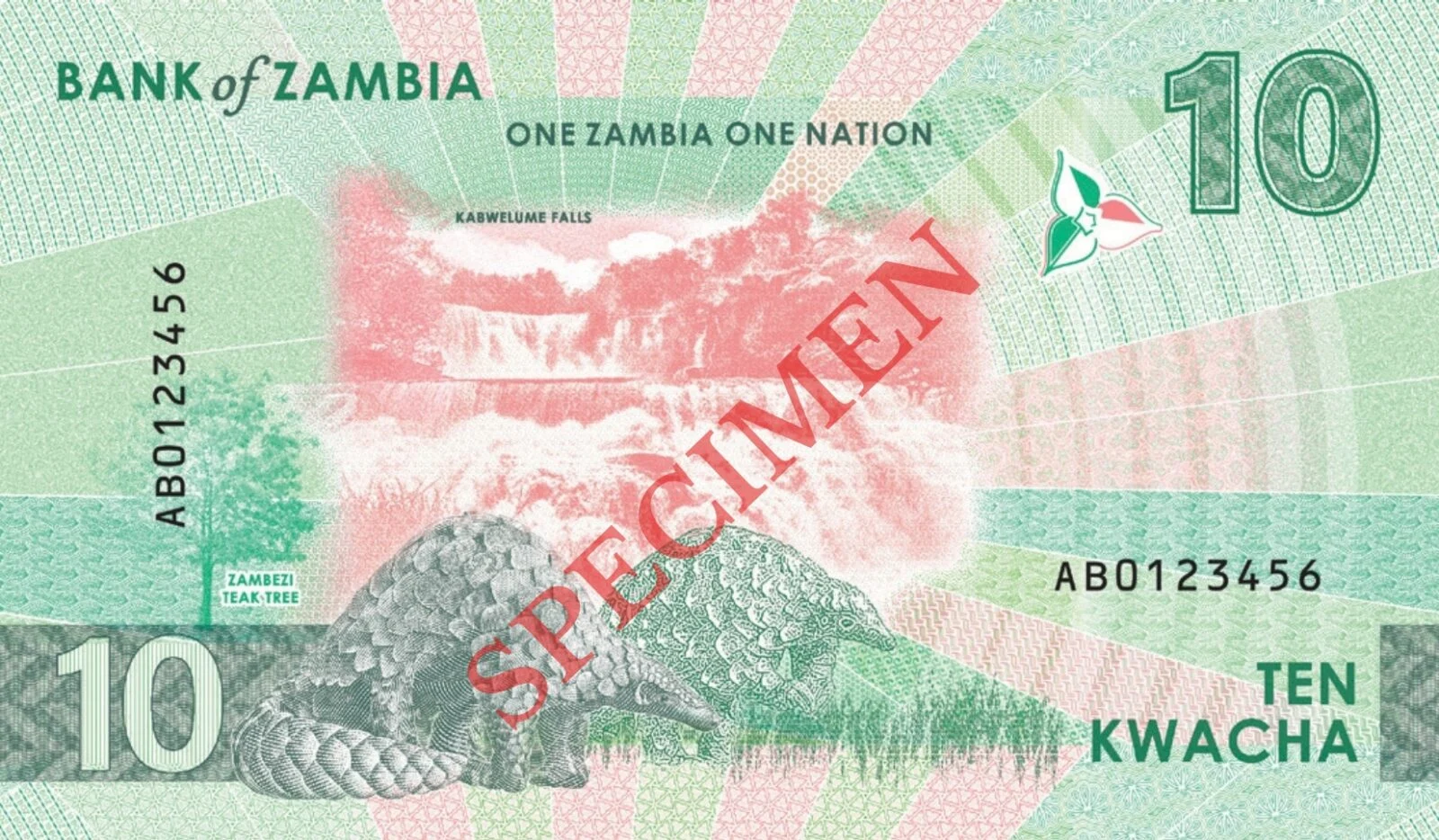
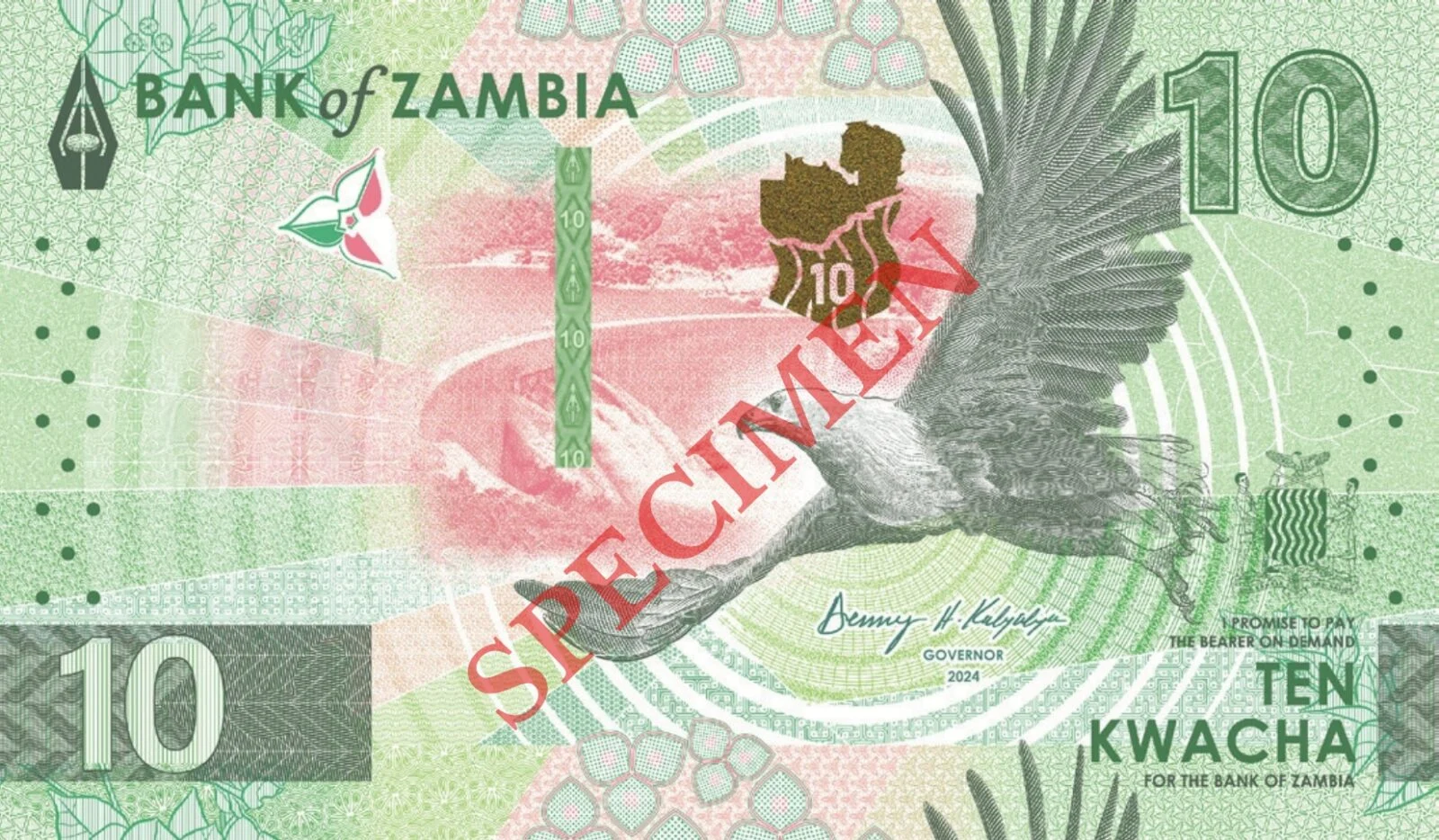
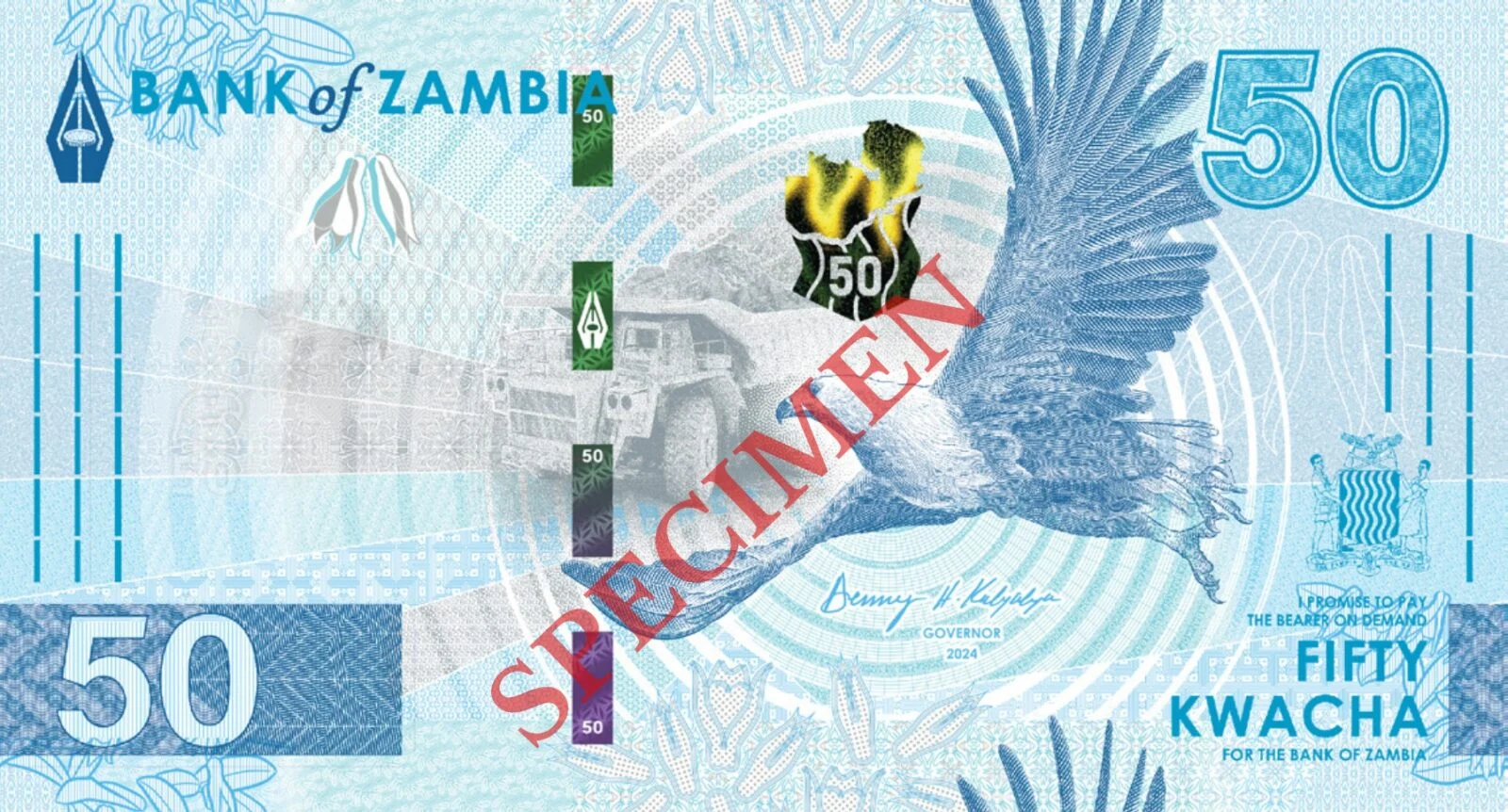
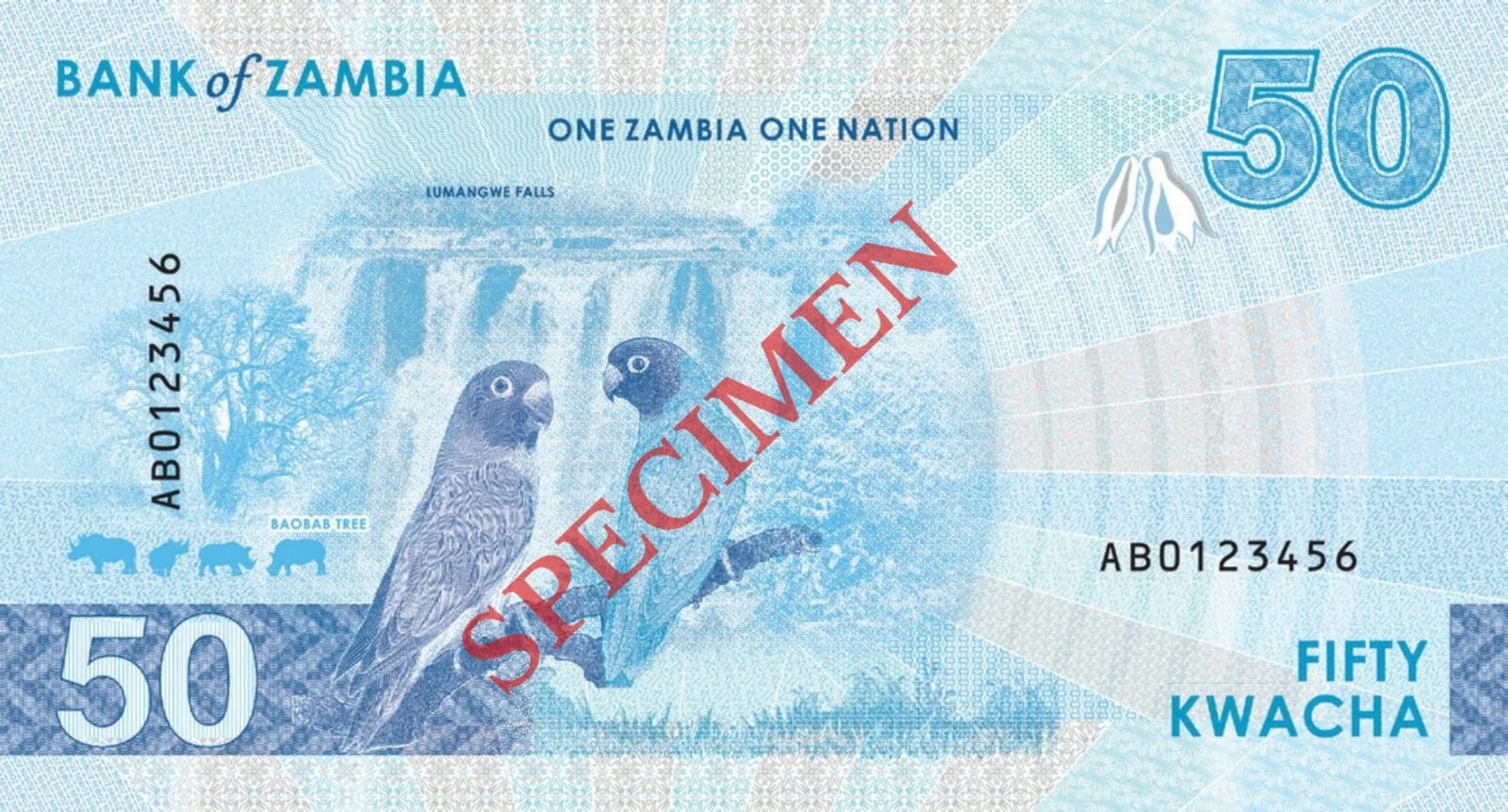
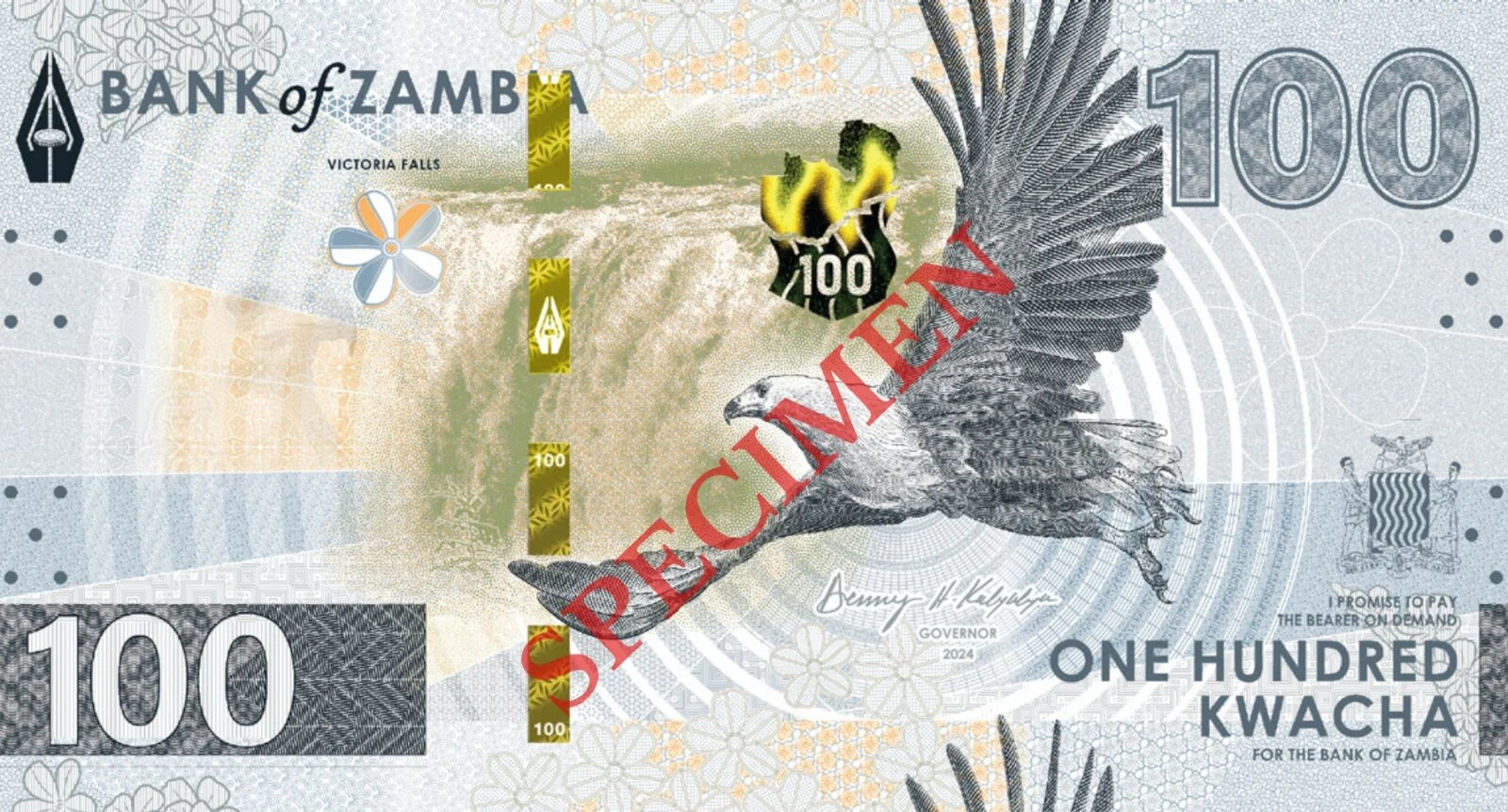
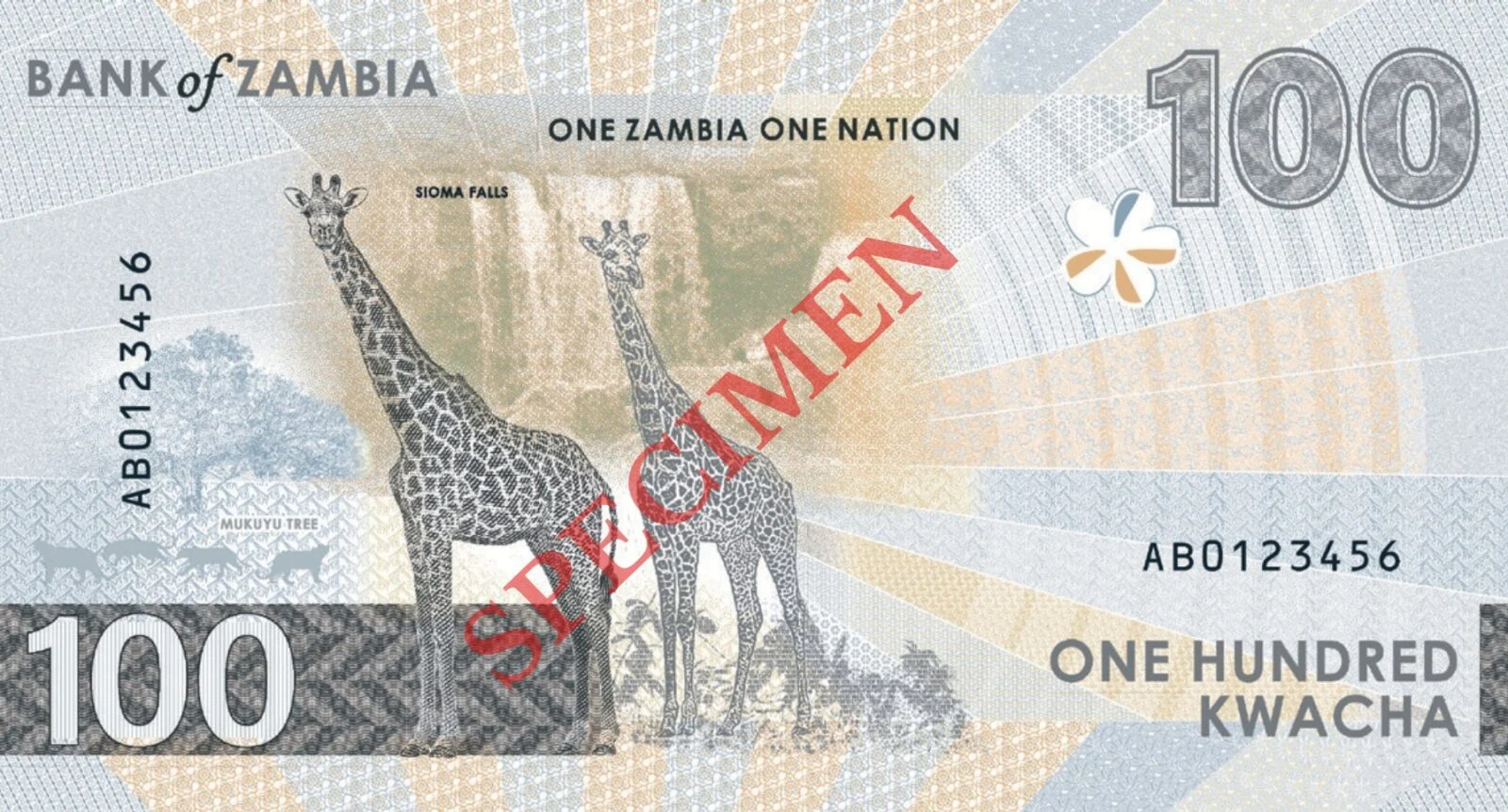
The latest series of Zambia banknotes has raised eyebrows, particularly regarding their security features. Financial expert Yusuf Dodia has recently urged the Central Bank of Zambia to enhance these features, citing concerns that the current notes are more susceptible to counterfeiting than their predecessors.
Security Features Under Scrutiny
Dodia’s concerns stem from reports of numerous forgeries surfacing less than a year after the release of the new notes. The lack of robust security measures is particularly alarming for rural communities, where access to technology for detecting counterfeit currency is limited. This makes them prime targets for fraudsters.
Background
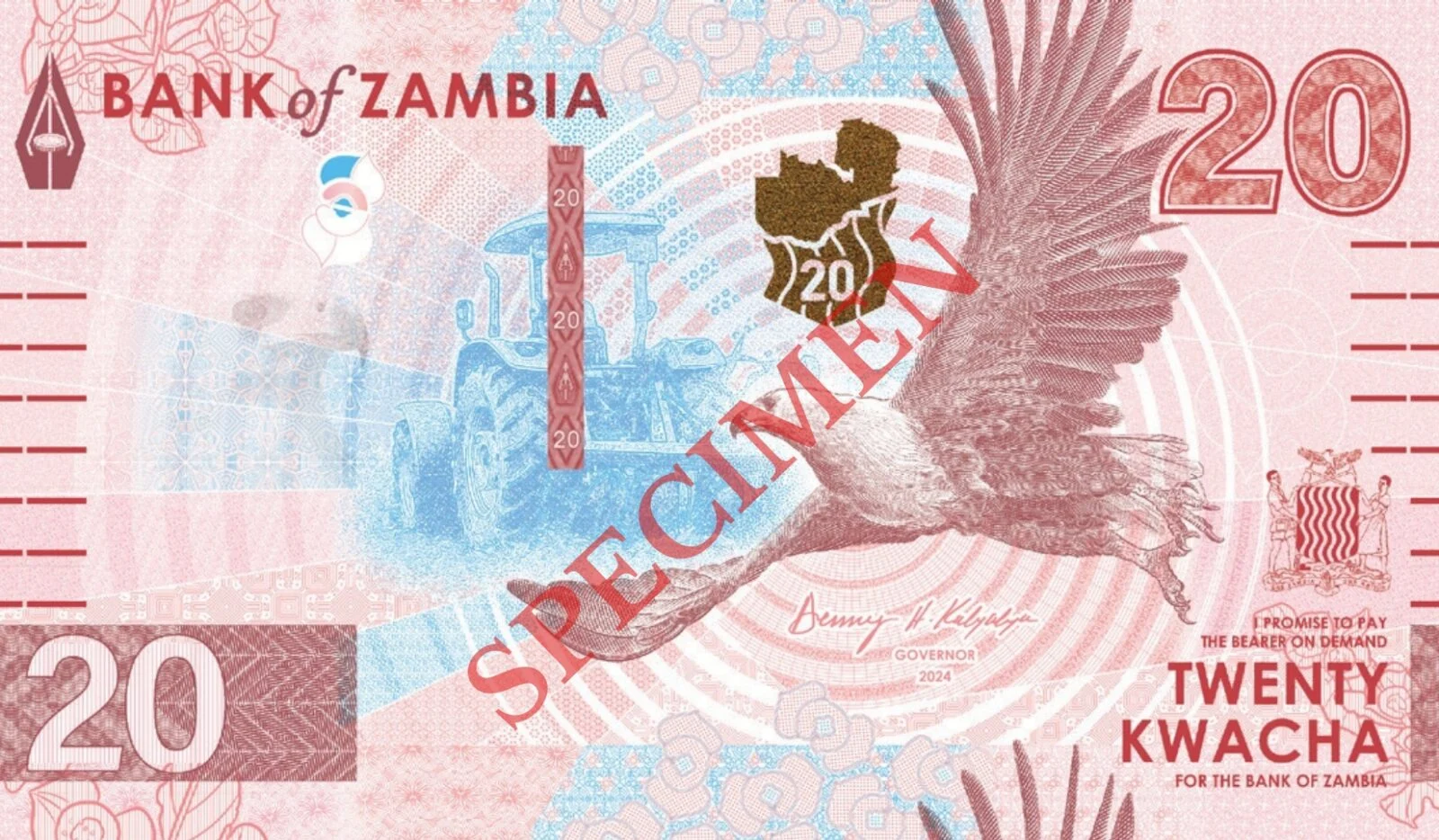
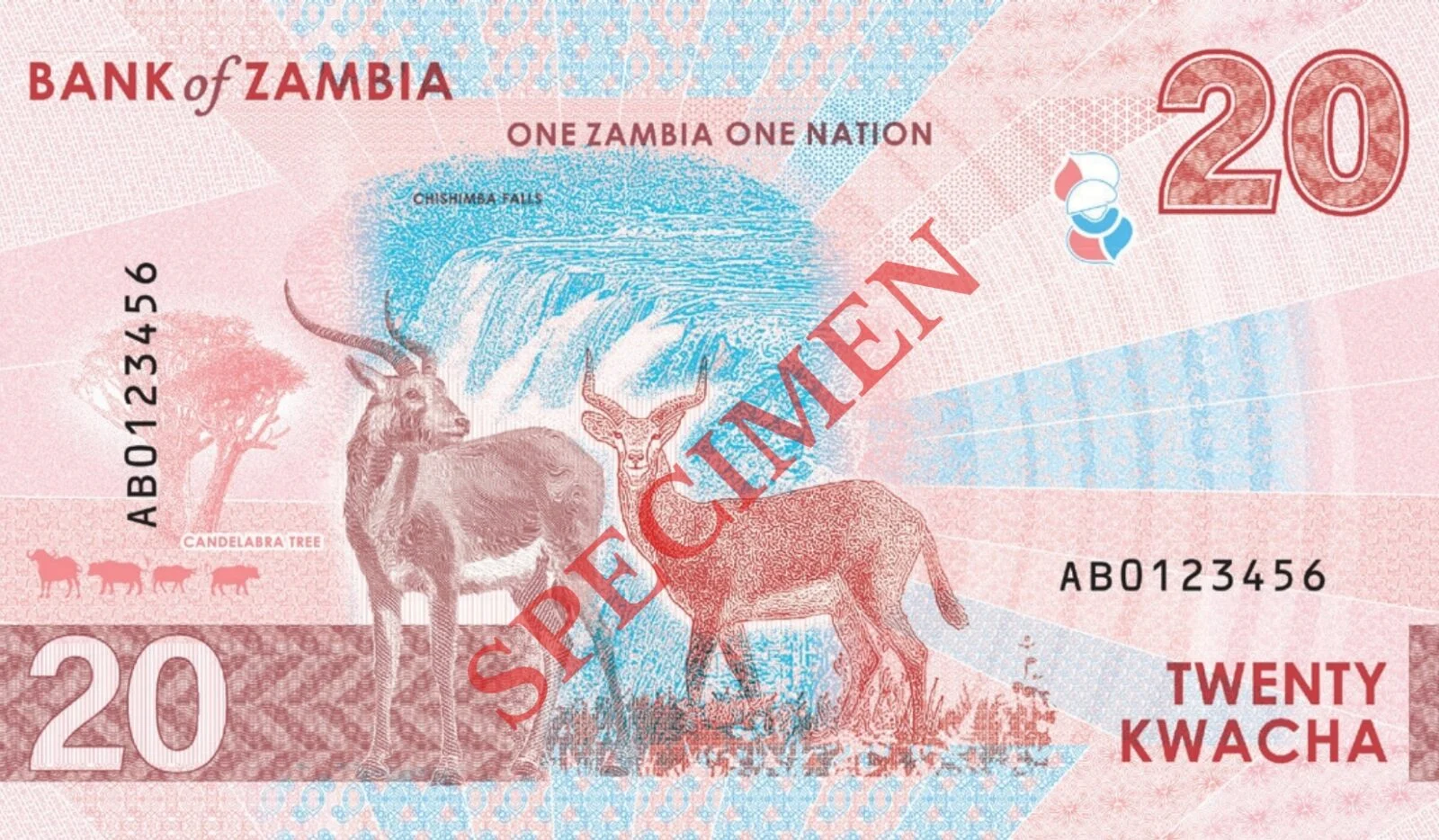
The evolution of Zambia banknotes is a fascinating journey. Initially introduced in the early days of independence, these notes have undergone several redesigns. Each iteration aimed to incorporate more sophisticated security features to stay ahead of counterfeiters. However, with the latest series, it seems that some of these advancements may have taken a step back.
Why It Matters
The integrity of a nation’s currency is crucial for its economic stability. Weak security features can undermine public confidence in the currency, leading to a host of economic issues, including inflation and loss of value. Furthermore, increased forgeries can create a ripple effect, impacting businesses and consumers alike.
Key Takeaways Zambia banknotes
1. The Central Bank of Zambia needs to reassess the security features of the new banknotes.
2. Rural populations are particularly vulnerable to counterfeiting due to limited access to detection technology.
3. Public awareness and education on how to identify genuine Zambia banknotes could help mitigate the issue of forgeries.
FAQ
What are the main denominations of Zambia banknotes?
The main denominations of Zambia banknotes include K10, K20, K50, K100, K200, and K500.
How can I identify genuine Zambia banknotes?
Look for security features such as watermarks, security threads, and color-shifting ink. Additionally, feel the texture of the paper, which is usually distinct for genuine notes.
Why is it important to enhance security features?
Enhancing security features is vital to prevent counterfeiting, protect the economy, and maintain public trust in the currency.
What should I do if I suspect I have a counterfeit note?
If you suspect you have a counterfeit note, do not attempt to use it. Instead, report it to the local authorities or the Central Bank of Zambia.
Quick Answers
Facts & Curiosities
- Zambia banknotes have evolved through several redesigns since independence.
- Security features are crucial for preventing counterfeiting.
- Rural communities are more vulnerable to counterfeit currency.
Collector Tips
- Always check for watermarks and security threads on banknotes.
- Educate yourself about the latest security features of Zambia banknotes.
- Report any suspicious currency to the authorities immediately.
Did You Know?
- Zambia has introduced various denominations, including K10, K20, K50, K100, K200, and K500.
- The design of Zambia banknotes often reflects the country’s culture and history.
- Counterfeit detection technology is constantly evolving, making it essential to stay informed.