

Eritrea Orders All Nakfa Cash Into Banks: Currency Control, Informal Markets and a Very Tight Monetary State
Eritrea • Nakfa • Cash Deposit Directive • Monetary Control
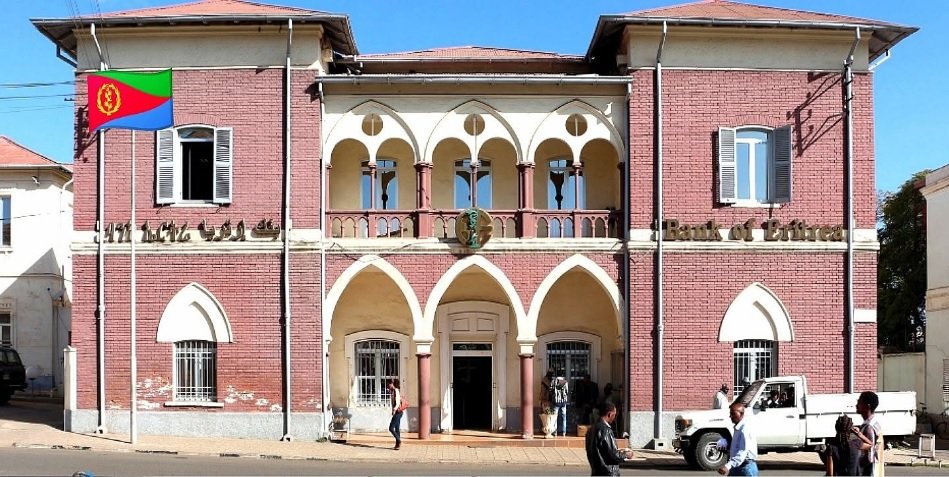
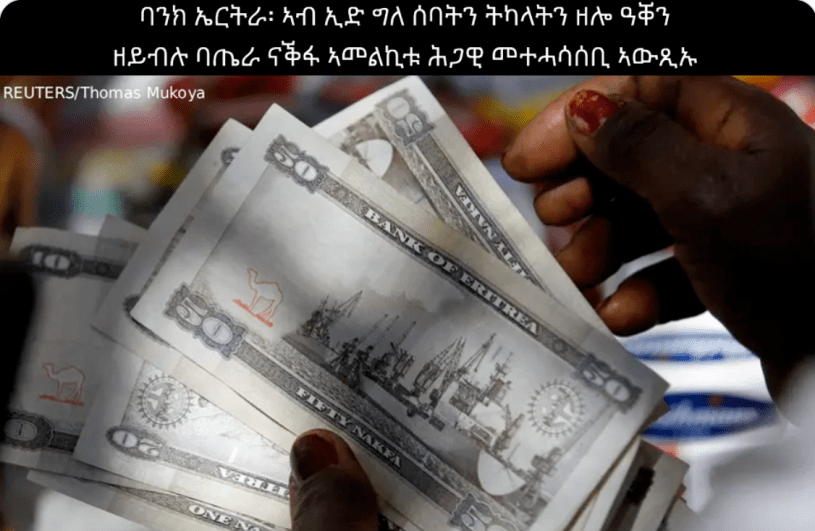
Eritrea’s 2026 cash directive is not a normal banking notice. It is a monetary dragnet. The Bank of Eritrea told individuals, businesses and institutions to deposit all Nakfa cash holdings into bank accounts by 31 July 2026, warning that keeping large amounts of cash outside the banking system is not permitted.
For banknote collectors, the story is not only political. It is about how a state can change the meaning of paper money without changing the design. A note that yesterday was household cash can tomorrow become restricted cash, traceable cash or black-market evidence.
Quick Facts
- Country: Eritrea
- Currency: Nakfa
- Year: 2026
- Issuer: Bank of Eritrea
- Deadline: 31 July 2026
- Status: Mandatory cash deposit directive
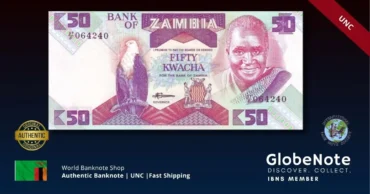
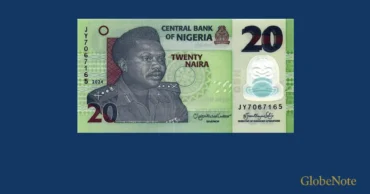
Collect banknotes related to this article
Explore authentic world banknotes connected to this country, region or collecting theme.
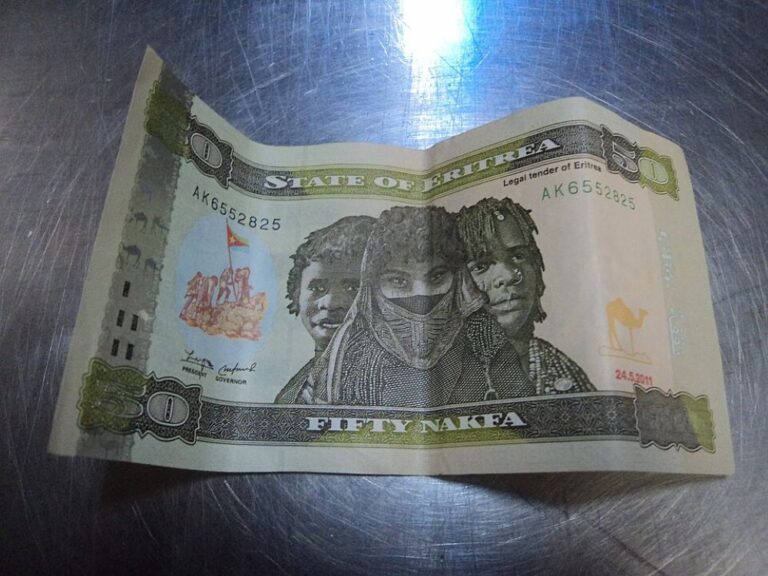
The Directive: Cash Must Return to Banks
APAnews and Borkena report that the central bank directive requires all citizens, organisations, businesses and institutions to deposit cash holdings in local currency into commercial banks before the end of July. Those without accounts are instructed to open them. Non-compliance may lead to legal measures.
The Monthly Withdrawal Problem
The directive becomes sharper because Eritrea already has tight withdrawal limits. APAnews and Borkena report a monthly withdrawal cap of 5,000 Nakfa, turning bank deposits into a one-way gate for many households.
Why Would a Country Pull Cash Back In?
Several sources point to the same broad explanation: cash outside the formal system weakens state control over money. Wazema reported that the Nakfa had been widely used by contraband traders in Ethiopia’s Tigray Region. Martin Plaut’s analysis connects the directive to cross-border movement with Sudan and alleged Nakfa use in parts of Tigray.
That is the heart of the story. Banknotes are physical. They cross borders, sit in suitcases, fund informal trade, avoid bank records and become parallel liquidity. A deposit deadline is a way of forcing those notes back into the official ledger.
Echoes of the 2015 Currency Reform
The Bank of Eritrea statement, reproduced in regional analysis, connects the 2026 measure to earlier controls around the 2015 currency reform. At that time, authorities also required cash to be returned to banks, arguing that the move would control illegal money transfers and stabilise the economy.
What This Means for Collectors
- Ordinary notes become policy evidence: a common Nakfa note can become historically interesting when tied to a monetary crackdown.
- Condition is not the only value driver: provenance and date of acquisition may matter more than grade.
- Cash controls create survival stories: notes held outside banks after a deadline may become harder to document legally.
- Regional use matters: references to Sudan and Tigray make the story broader than Eritrea’s domestic banking system.
Collector Market Analysis
Do Not Overstate the Rarity
The directive does not automatically make every Nakfa banknote rare. It changes the historical context around circulation, holding and documentation.
What to Preserve
Collectors should preserve official notices, news reports, bank documents, date-stamped acquisition records and any context showing a note’s relationship to the 2026 cash directive.
The Long-Term Story
If future currency reform follows, 2026 may become a hinge year. If not, it still marks a rare public snapshot of how tightly the Nakfa is managed.
Sources and Further Research
This article was built from verified reporting, issuer material where available, and specialist banknote sources. Social links were used as supporting context only when they could be checked or safely linked.
- APAnews: report on the central bank cash deposit directive
- Borkena: regional report with deadline and withdrawal-control context
- Martin Plaut: analysis of the Bank of Eritrea statement and possible causes
- Wazema: briefing on deposits, withdrawal limits and Tigray contraband context
- MRI Guide: provided specialist banknote source
Frequently Asked Questions
What did Eritrea order citizens to do?
Reports say citizens, businesses and organisations were ordered to deposit all Nakfa cash holdings into bank accounts by 31 July 2026.
Why is this important for banknote collectors?
Because cash controls can change the historical meaning of ordinary banknotes, especially when tied to currency reform, black markets or cross-border trade.
Does this make Nakfa banknotes rare?
Not automatically. Rarity depends on type, condition, date, provenance and future monetary actions.
What is the 5,000 Nakfa withdrawal cap?
Regional reports say Eritreans are permitted to withdraw no more than 5,000 Nakfa per month, making forced deposits especially restrictive.
Could this signal a new currency reform?
It could, but that is not confirmed. The safest collector interpretation is that the directive shows renewed pressure to control cash outside the banking system.
This article is part of our New Banknotes 2026 guide. Browse African banknotes in the GlobeNote Africa shop section.