If you’ve heard the rumor that Canada Maple Syrup Banknote exist, you’re not alone. From Reddit threads to collector forums, everyone’s asking: Does Canadian money really smell like maple syrup? And if it does, why aren’t people using it to buy pancakes?
The Rumor: Canada’s Maple Syrup Banknote
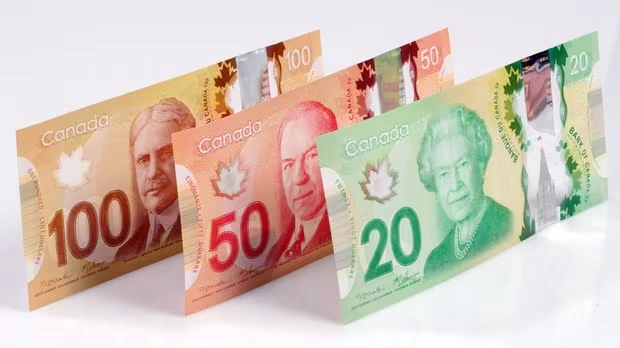
When Canada switched to polymer banknotes, stories about the maple syrup currency Canada spread quickly. Some Canadians swear their crisp polymer notes carry the unmistakable scent of maple syrup—a smell so iconic it deserves a place on the national flag.
Take Michael Landsman from Montreal. He sniffed his $100 polymer bill and immediately smelled maple syrup. Friends and family joined in, turning a routine cash check into a breakfast experience.
What the Bank of Canada Says
Despite the rumors, the Bank of Canada denies creating a maple syrup currency Canada. They insist there’s no secret recipe, no maple-infused ink, and no hidden breakfast scent. Still, people have filed complaints about their notes “losing the maple smell” and others have demanded the scent be “increased.” That’s customer service, Canada style.
Why Do People Smell Maple Syrup?
Dr. Marilyn Jones-Gotman, a neurologist at McGill University, calls it an “olfactory illusion.” Given Canada’s emotional connection to maple syrup, your brain might fill in the scent when you hold a fresh Canada maple syrup banknote—even if the scent isn’t actually there.
Canada’s Quirky Currency Legacy
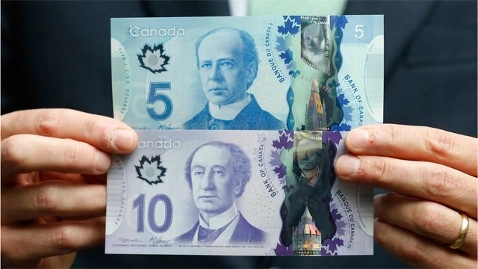
Canadian money has always had character. Remember the Norway maple leaf mix-up on some bills? Or polymer notes sticking together in wallets? Or reports of these bills melting on car dashboards in the summer heat? Canada’s switch to polymer currency has been anything but boring.
For collectors, the rumored Canada maple syrup banknote isn’t just a note; it’s a conversation starter. It’s a quirky slice of Canadian identity that you can sniff—whether the scent is real or not.
Should You Add It to Your Collection?
Absolutely. The myth of the maple syrup banknote is now part of numismatic lore. In a world filled with bland, polymer bills, Canada’s rumored pancake-scented money is a fun reminder that collecting banknotes is about stories, not just serial numbers.
How to Test It Yourself
Want to test the legend? Here’s how:
✅ Grab a clean Canadian polymer note, preferably a $5, $20, or $100 from the 2011–2013 series.
✅ Warm it slightly and rub it gently.
✅ Take a sniff.
✅ See if your brain joins the myth.
Many collectors say that new notes hold the scent more, while older notes lose it over time. This adds an experimental thrill to your collecting journey.
Final Thoughts: Why It’s Worth Owning
In a world of bland, soulless currency, the Canada maple syrup banknote stands out. It’s a reminder that collecting is about discovery, fun, and the stories you can tell.
So go ahead:
✅ Add a “maple-scented” Canadian note to your collection.
✅ Share the story with your collector friends.
✅ Sniff, smile, repeat.
Because if you’re going to flex your collection, flex with a note that (maybe) smells like breakfast.