
World’s Highest Value Banknotes: Why Singapore’s $10,000 Beats Purple €500
Think the purple €500 was impressive? Singapore and Brunei laugh at that. Their $10,000 notes—equivalent to roughly $7,400 USD (~€6,800)—dwarf Europe’s retired heavyweight. While the EU pulled its €500 in 2019 to combat money laundering, Asia and Switzerland continue printing “serious transaction” notes that make Western wallets look like toy money.
• Brunei $10,000 (BND) → ~$7,420 USD / ~€6,800 — actively printed since 2006
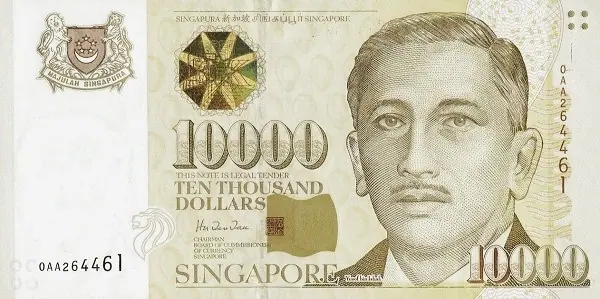
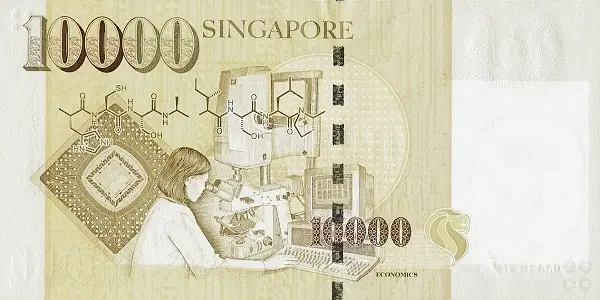
• Singapore $10,000 (SGD) → ~$7,400 USD / ~€6,800 — printing stopped 2014, still legal tender
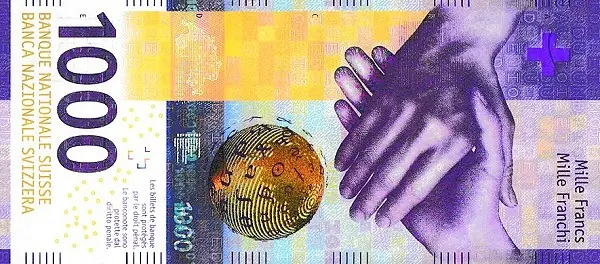
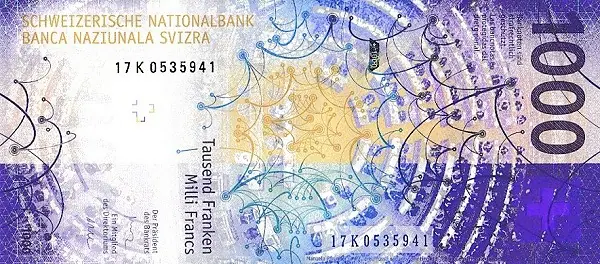
• Switzerland 1,000 CHF → ~$1,125 USD / ~€1,050 — Europe’s highest, purple with Jacob Burckhardt
• USA $10,000 → ~$8,500 USD (face value) — only ~336 left, collector market $50K–$140K+
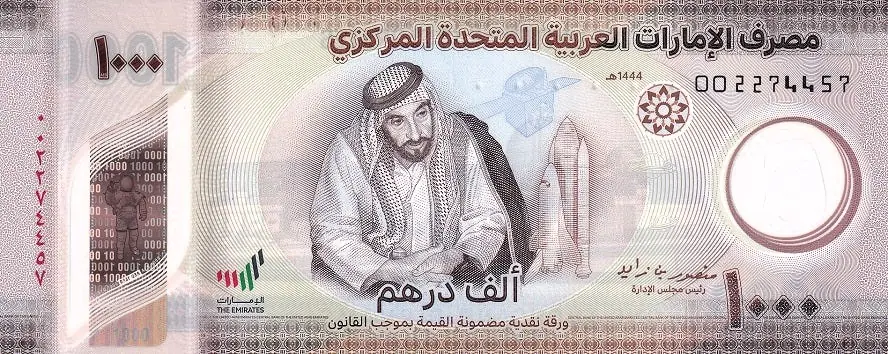
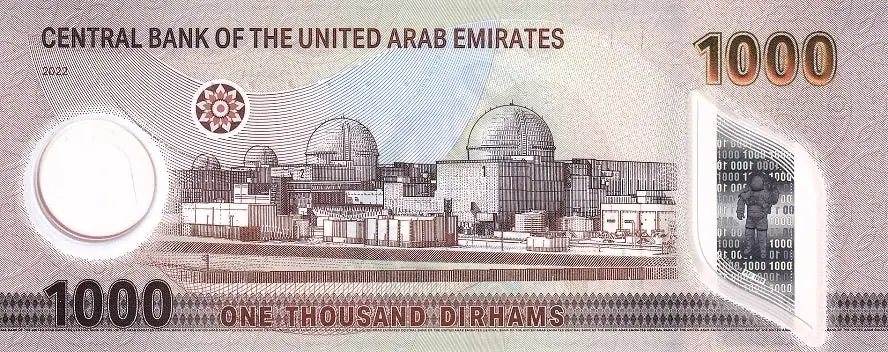
• UAE 1,000 AED → ~$270 USD / ~€250 — introduced 1976, still actively circulated
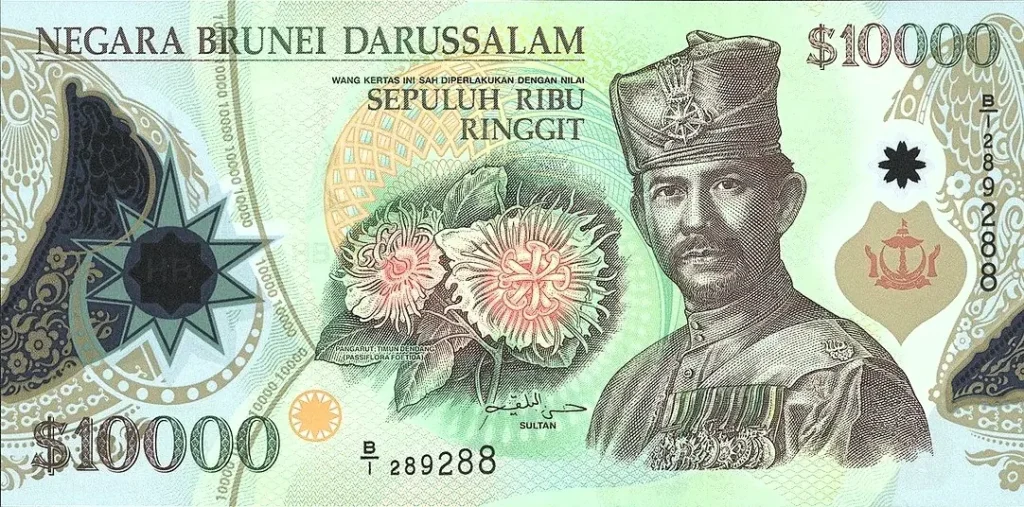
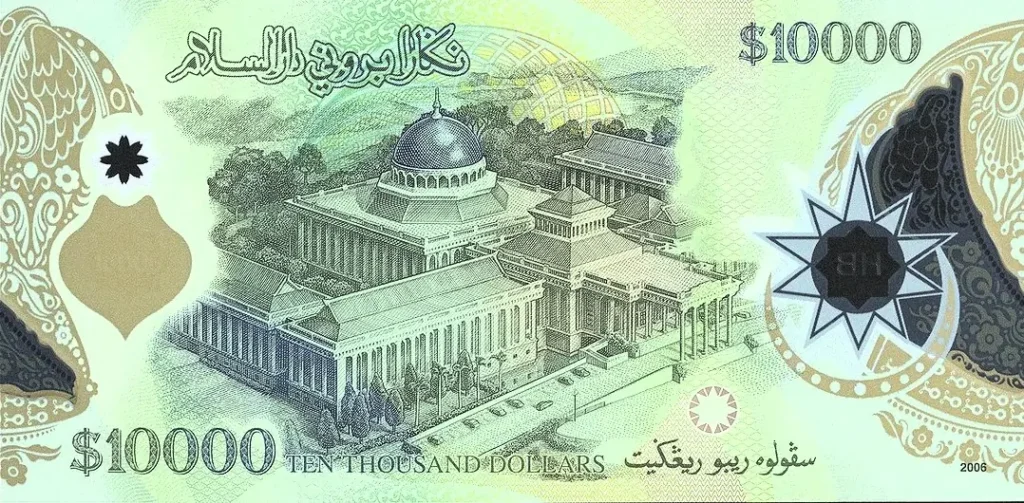
Asia Rules: Why Singapore and Brunei Keep $10,000 Notes
The richest sultanate in Asia has no plans to stop—and Singapore simply stopped printing them, not using them.
The Singapore $10,000 note was introduced in 1973 to facilitate high-value banking and commercial transactions. For over 40 years it served banks, real estate dealers, and wealthy collectors faithfully. In October 2014, the Monetary Authority of Singapore decided to discontinue printing—not because of illegality, but to “mitigate money laundering and terrorism financing risks”. Result? Rarely used, but still perfectly legal and circulating.
• The Sultanate of Brunei is among the world’s wealthiest nations (GDP per capita ~$31,000)
• In 2006 it released a new polymer series with advanced security features
• The central bank has never shown intention to suspend them—in fact, they’re considered a symbol of economic stability
• Currency interchangeability: Thanks to a 1960s agreement, BND can be freely exchanged with SGD at par
• Practical use: real estate transactions, interbank transfers, gold/diamond trading
Compared to Europe (where the €500 was discontinued in 2019), Asia maintains a pragmatic approach: high value = efficiency, not criminality. Context matters: in Brunei or Singapore, a $10,000 transaction is routine; in Europe, it would trigger anti-money laundering alarms.
World’s Highest-Value Banknotes: Full Comparison
From Singapore to Wyoming: who still prints big bills, who retired them, and why.
| Banknote | Face Value | Value in USD (~2025) | Status | Notes |
|---|---|---|---|---|
| Brunei $10,000 (BND) | B$10,000 | ~$7,420 USD | Active | Polymer since 2006, advanced security. Interchangeable with SGD via 1960s treaty |
| Singapore $10,000 (SGD) | S$10,000 | ~$7,400 USD | Suspended 2014 | Introduced 1973, rarely used but still legal. Polymer since 1999 |
| Switzerland 1,000 CHF | 1,000 CHF | ~$1,125 USD | Active | Europe’s highest. Purple with Jacob Burckhardt. ~50% of all Swiss cash held in 1K notes |
| USA $10,000 (USD) | $10,000 | ~$8,500 USD (face) | Retired 1969 | Only ~336 left. Collector market: $50K–$140K+. Extremely rare |
| UAE 1,000 AED | AED 1,000 | ~$270 USD | Active | Introduced 1976. Features UAE landmarks + national emblem watermark |
| Armenia 100,000 AMD | AMD 100,000 | ~$255 USD | Active (2018) | Features King Abgar V, believed to be one of the first Christian kings |
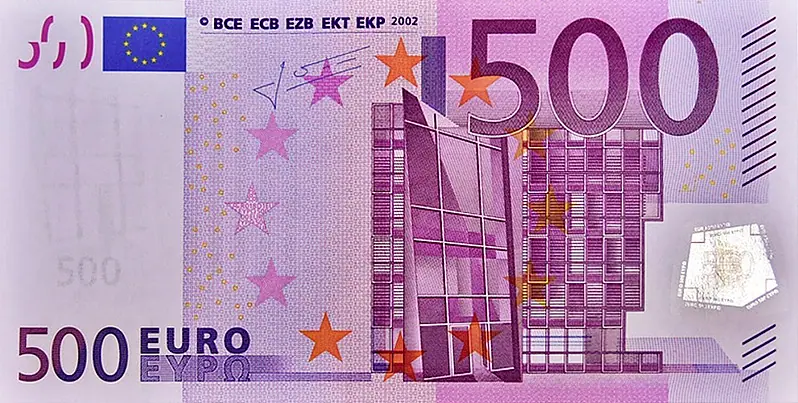
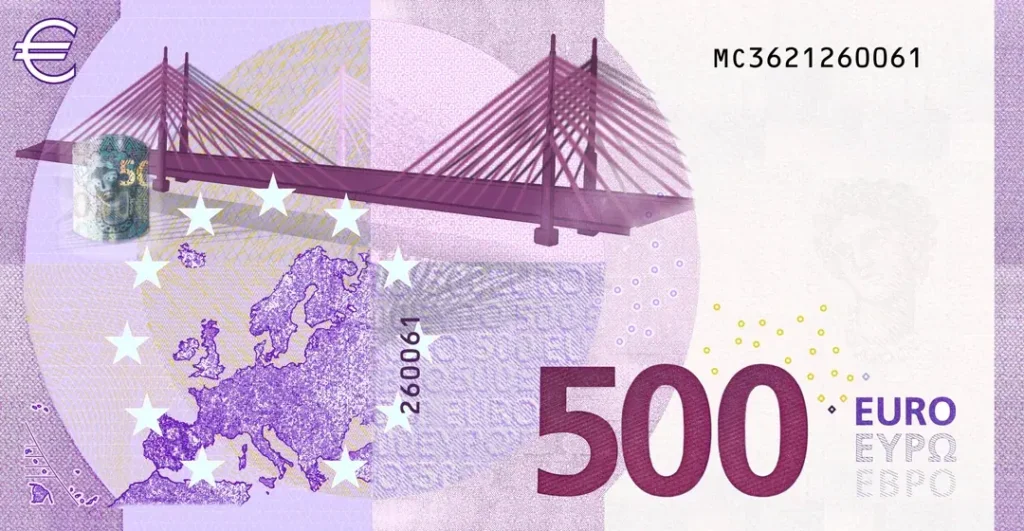
| Euro €500 | €500 | ~$540 USD | Retired 2019 | Printing stopped 2019. ~281 million still in circulation. Still legal tender |
USD values updated October 2025. Exchange rates fluctuate and may alter comparative rankings. Sources: Nomad Capitalist, InvestAsian, Tempo.
Why Europe Killed the €500 (But Asia Didn’t)
Spoiler: it wasn’t the collectors’ fault—it was the traffickers.
The €500 Case
The €500 note represented 30% of all euros in circulation by value, but only 0.9% by count. Translation: few notes, massive money. The ECB halted production in January 2019 after years of pressure from Europol and national police forces: too convenient for money laundering, terrorism financing, and illegal cash transport.
Asia = Different Context
Singapore and Brunei operate in high-trust economies with extremely tight banking systems. A $10,000 transaction passes through mandatory traceability and automatic reporting. In Europe, anonymous cash culture + porous borders = huge risk. Asia doesn’t have the same problem.
Switzerland = European Exception
The 1,000 CHF survives because Switzerland is outside the Eurozone and maintains strict anti-money laundering rules. Plus, the note is purple with Jacob Burckhardt—iconic design that discourages counterfeiting. Remarkably, ~50% of all Swiss cash is held in 1K notes. Rarely seen in retail circulation, but regularly used in legal high-value transactions (real estate, investments, art).
USA = Pure Collectibles
The ~336 remaining $10,000 notes are almost all in museums or private collections. Introduced in the 1950s for transactions between banks and the Federal Reserve, they were retired in 1969. Market value: $50,000–$140,000+ depending on condition and serial number.
Collector Market: What They’re Really Worth
Face value is just the starting point—then come scarcity, condition, and serial numbers.
| Banknote | Face Value | Market Price (UNC/Crisp) | Low Serial Premiums |
|---|---|---|---|
| USA $10,000 | $10,000 USD | $50,000–$140,000 | Serial #001–#100: up to $200,000+ |
| Singapore $10,000 | S$10,000 (~$7,400 USD) | $7,600–$9,000 | Fancy serials (000001, palindromes): +30–50% |
| Brunei $10,000 (2006 polymer) | B$10,000 (~$7,420 USD) | $7,700–$9,500 | First polymer issue: significant premium |
| Switzerland 1,000 CHF | 1,000 CHF (~$1,125 USD) | $1,200–$1,400 | Pre-2017 series: +20–40% |
| UAE 1,000 AED | AED 1,000 (~$270 USD) | $280–$350 | Early 1976 series: up to $500 |
| Euro €500 (2002 series) | €500 (~$540 USD) | $560–$700 | Low serials (<1000): up to $1,300 |
Prices updated October 2025 based on Heritage, Spink auctions, and specialist marketplaces. UNC/Crisp condition assumes never-circulated note with PMG/PCGS grading 65+.
FAQ — World’s Highest Value Banknotes
What’s the highest-value banknote still in circulation?
The Brunei $10,000 (BND) (~$7,420 USD) is the highest-value note still actively printed. The Singapore $10,000 (SGD) is nearly equal but printing was suspended in 2014—though it remains legal tender.
Why did Europe retire the €500?
The ECB halted production in 2019 to combat money laundering and terrorism financing. The note was too convenient for transporting large sums of anonymous cash. It’s still legal, just no longer printed.
Does the United States still have a $10,000 bill?
Yes, but it’s extremely rare. Only ~336 exist, mostly in collections or museums. Market value: $50,000–$140,000+. Retired in 1969, it remains legal but practically impossible to use.
Why does Switzerland keep the 1,000 CHF?
Switzerland has strict anti-money laundering rules and an economy based on traceable high-value transactions. The 1,000 CHF (~$1,125) is used for real estate, investments, and art—always with full documentation. Remarkably, ~50% of all Swiss cash is held in these notes.
How much is a €500 worth to collectors?
In UNC/Crisp condition, prices range from $560–$700. Low serial numbers (<1000) or “fancy” ones (000001, palindromes) can reach $1,000–$1,300. It’s still too common for major premiums, but the 2019 suspension has started gradual appreciation.
Where can you buy high-value banknotes for collecting?
Specialist auction houses (Heritage Auctions, Spink, Stack’s Bowers), certified dealers (PMG/PCGS grading), and numismatic online marketplaces (with caution—always verify authenticity). For active notes (Brunei, Switzerland), contact central banks or authorized dealers directly.
Sources & References
- Nomad Capitalist — The Largest Value Banknotes in the World (Singapore, Brunei, USA $10K)
- InvestAsian — Highest Value Banknotes: A Deep Dive (Switzerland, Armenia, €500 discontinuation)
- Tempo — What Are the Biggest Currency Notes in Circulation in 2025?
- Times of India — 7 Most Expensive Banknotes in the World (auction records, USA $10K Watermelon)
USD values subject to exchange rate fluctuations and updated to October 2025. Collector market pricing based on Heritage Auctions, Spink public sales, and PMG/PCGS-certified marketplace data.
Discover our Shop Globenote: collectible and authentic banknotes from around the world