Ulysses S. Grant and the Controversial Legacy of US Presidents on Banknotes
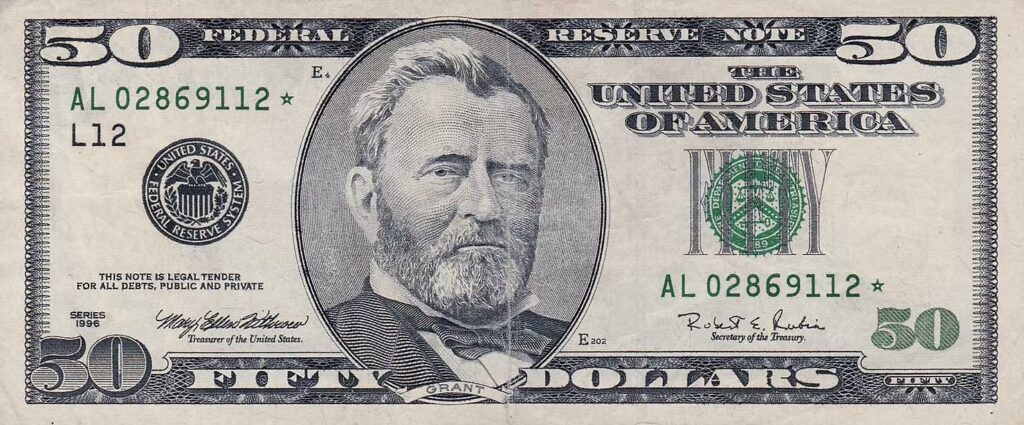
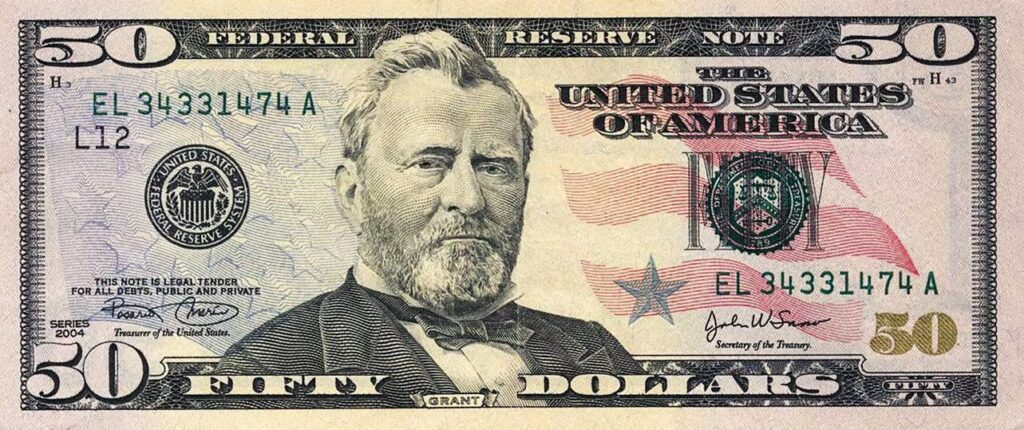
Representing the highest office in the United States on banknotes is a tradition steeped in symbolism but layered with controversy. Among the most debated figures is Ulysses S. Grant, the 18th president, prominently featured on the US $50 bill. Often described as “a great soldier but a poor president,” Grant’s legacy encompasses extraordinary military triumphs during the Civil War and an administration marred by scandal. This article unpacks the duality of his image in American memory, his historical reputation, and how this reflects on his place in American currency.
Ulysses S. Grant: The Soldier and the President
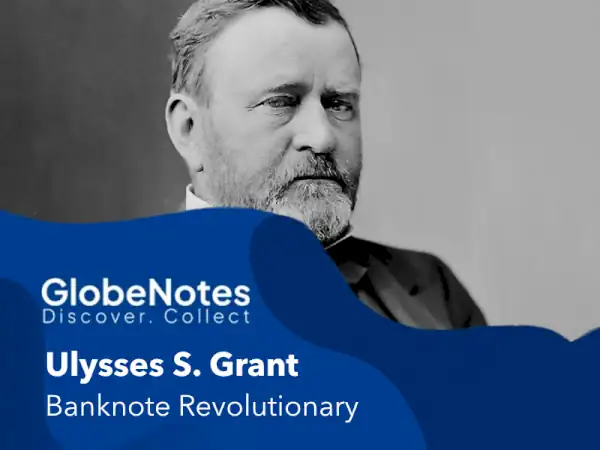
Ulysses S. Grant (1822–1885) rose to national prominence as the commanding general who led Union forces to victory in the American Civil War. His military prowess earned him widespread respect, but his two-term presidency (1869–1877) remains controversial. Historians have long debated his effectiveness, pointing to widespread corruption scandals involving associates and a perceived weakness in political leadership. Despite this, Grant worked to protect civil rights during Reconstruction.
Popular culture has even labeled him the “most unsuitable US president on banknotes”—a nod to ongoing debates about his place on the fifty-dollar bill. Nonetheless, his historical significance as a unifying figure during a divided era endures.
Did You Know? Grant, the Only US President Ever Arrested
One fascinating and lesser-known episode highlights Grant’s complex public persona. According to a 1908 report in the Sunday Star from Washington DC, Grant became the only US president ever arrested, albeit for a minor and accidental offense involving a speeding violation as a private citizen. This unique anecdote adds a humanizing layer to a figure often viewed only through the lens of power.
This incident underscores the contrasting image of Grant, simultaneously emblematic of the highest echelon of American leadership and recalling occasional brushes with ordinary human fallibility.
How History Remembers Grant and His Place on Currency
Scholars continue to grapple with Grant’s complicated legacy: a hero of military reunification but a president whose administration was plagued by scandals such as the Whiskey Ring and Credit Mobilier. Public opinion has softened over time, especially appreciating his efforts for African American civil rights and fighting the Ku Klux Klan during Reconstruction.
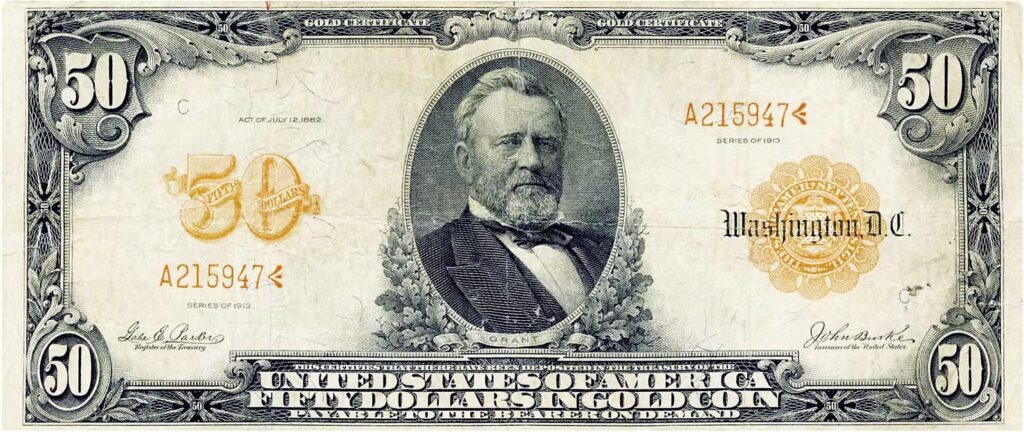
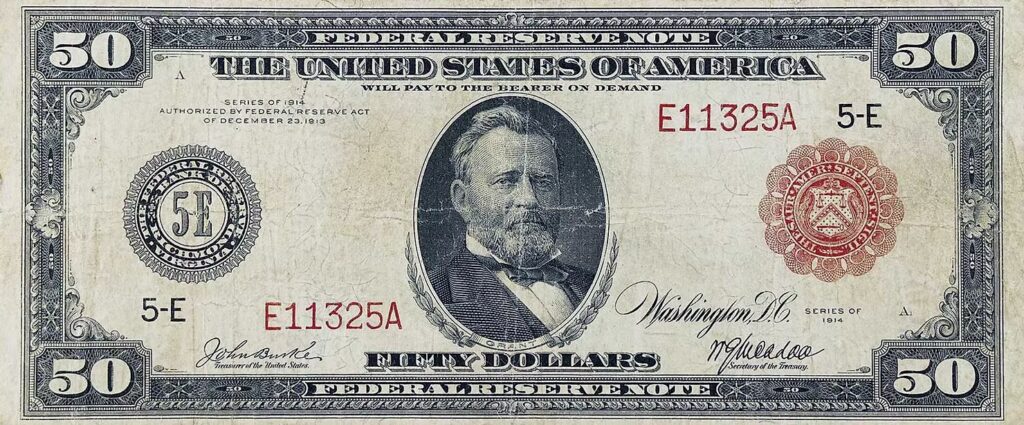
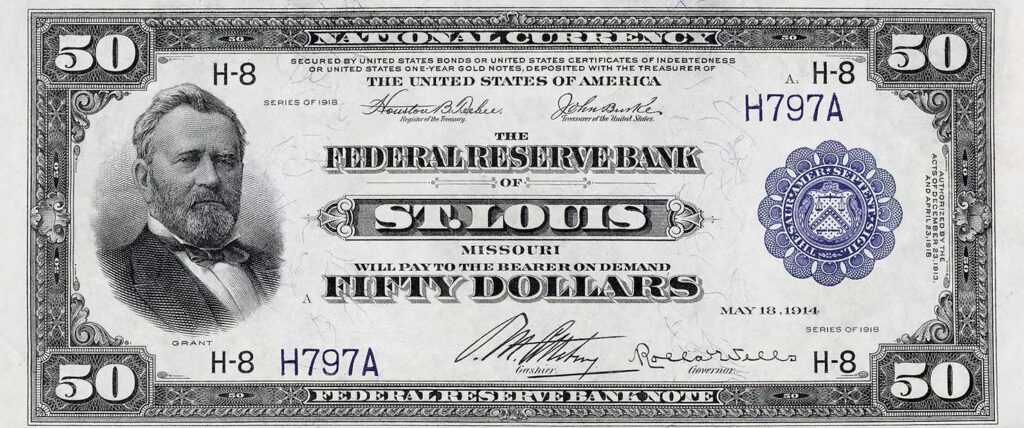
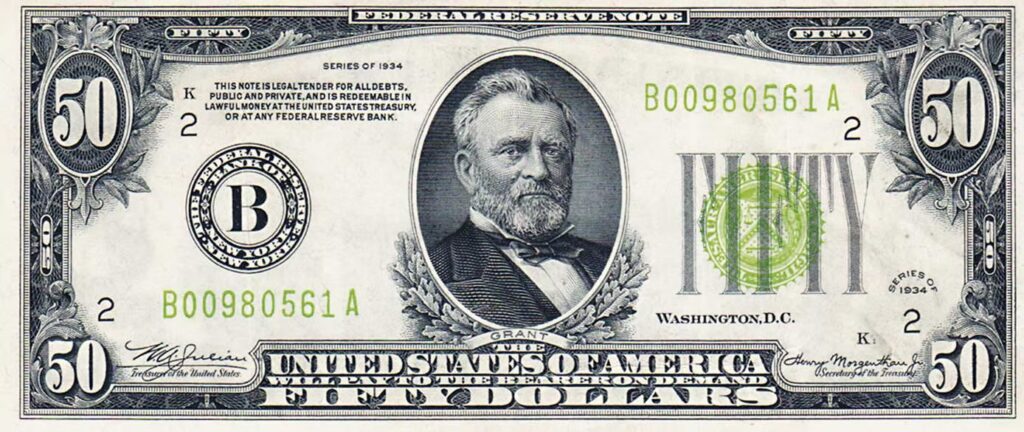
Grant’s image on the $50 bill, first issued in 1913 and modernized multiple times since, serves as a powerful reminder of both his military achievements and the turbulent political environment in which he governed. His portrayal reflects an intertwined memory of valor and controversy, embodying the complexity of American history itself.
FAQ — Ulysses S. Grant and US Currency
Why is Ulysses S. Grant on the $50 bill?
Grant is featured due to his pivotal role as Civil War General and efforts during Reconstruction. His portrait has adorned the $50 bill since 1913 as a symbol of national unity, despite controversy over his presidential tenure.
Has Grant ever been arrested?
Yes. Though not during his presidency, Grant was once arrested as a private citizen for a minor traffic violation, making him the only US president known to have been arrested.
Why is Grant considered a controversial president?
Grant’s administration faced significant corruption scandals involving close associates. While praised for civil rights advocacy, his presidency is often criticized for administrative weaknesses.
Are any other US presidents featured on banknotes?
Yes, many presidents appear on US currency, including George Washington ($1), Thomas Jefferson ($2), Abraham Lincoln ($5), Andrew Jackson ($20), and Benjamin Franklin (not president but on $100).
Sources & References
- Wikipedia DE — Ulysses S. Grant
- Wikipedia EN — Ulysses S. Grant
- History Today — Ulysses S. Grant: Great Soldier, Poor President
- Geldscheine Online — The Most Unsuitable US President on Banknotes
- National Park Service — Ulysses S. Grant Historic Site
- Sunday Star Washington DC (1908 Archives)
All information cross-referenced with historical records, biographical texts, and authoritative numismatic sources.