
A guide for curious minds, cunning collectors, and people who just found an old note behind the fridge.
Let’s start with a truth bomb:
Just because it’s old doesn’t mean it’s worth anything.
If that were true, your uncle’s underpants would be priceless.
So what actually makes a banknote valuable? Let’s find out — with real examples, some sass, and a magnifying glass.
🧼 1. Condition: The Cleaner, the Meaner (Value-Wise)
Let’s be clear: nobody wants a note that looks like it’s been used as a napkin in a kebab shop.
Collectors dream of UNC – Uncirculated notes. Crisp. Flat. No folds. No tears. No “I found this in my wallet after Glastonbury 2003” energy.
🧪 Example:
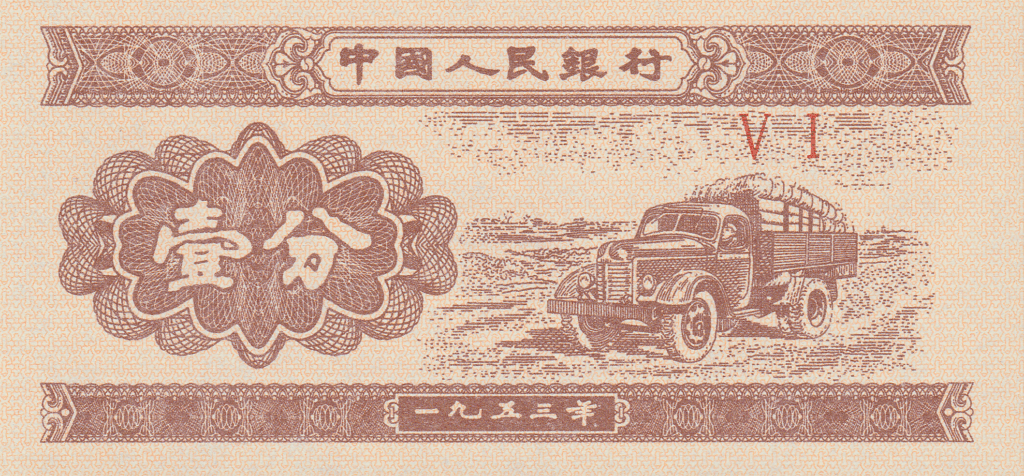
China 2 Fen (1953)
- UNC: €8–10
- Folded and sad: €0.70
Yes, that’s an 8x value difference — for cleanliness.
🔢 2. Serial Numbers: The Secret Code of Riches
Think of serials like license plates for your money.
Some are just boring.
Some are James Bond.
Desirable serials include:
- Low numbers: 0000001? Jackpot.
- Repeaters: 121212
- Solids: 888888 (especially in Asia – “8” = wealth)
- Radar: 1234321
- And of course, weird or controversial prefixes (see Zimbabwe… always Zimbabwe).
🎯 Example:
Argentina 1 Peso
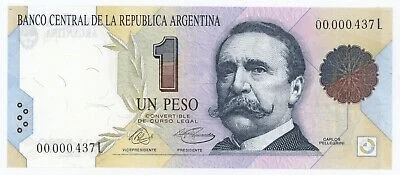
- Normal serial: €1
- Solid 7s serial: €80+
That’s not a banknote — that’s a secret handshake.
🔥 3. Rarity: The Fewer, the Fatter the Wallet
If only 10,000 were printed, you’re in luck.
If it was used in a tiny province for three months during a banana crisis? Gold.
Limited print runs, discontinued series, withdrawn for political reasons — these are your hot tickets.
💡 Example:
Yugoslavia 500 Billion Dinara (1993)
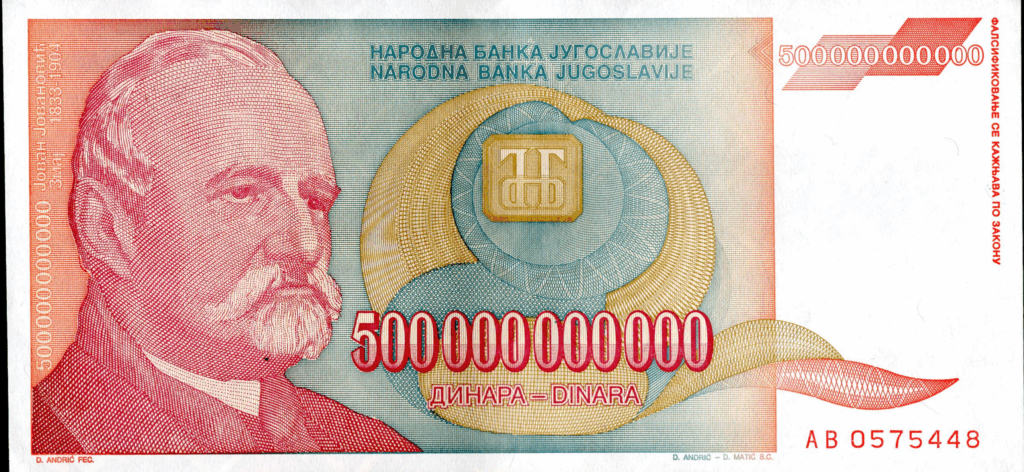
Printed like confetti during hyperinflation.
Common? Yes.
But find one in UNC with an error? That’s worth more than its weight in… well, slightly less worthless paper.
🪞 4. Errors & Misprints: Ugly Ducklings Turned Swans
Everyone loves a mistake — especially when it boosts value.
We’re talking:
- Misaligned print
- Double denominations
- Inverted watermark
- Missing serial numbers
Some collectors specialize only in these “factory freaks”.
Example:
USA $1 Note with inverted seal
- Normal: $1
- Inverted: $150+
Who knew someone falling asleep on the printing press could pay off?
🧙♂️ 5. Historical & Political Significance: Drama = Demand
If your note is tied to:
- A revolution
- A regime collapse
- A declaration of independence
…then collectors are interested.
People love a good story. Especially when it involves dictators, new flags, or angry economic shifts.
Example:
Zimbabwe 100 Trillion Dollar Note
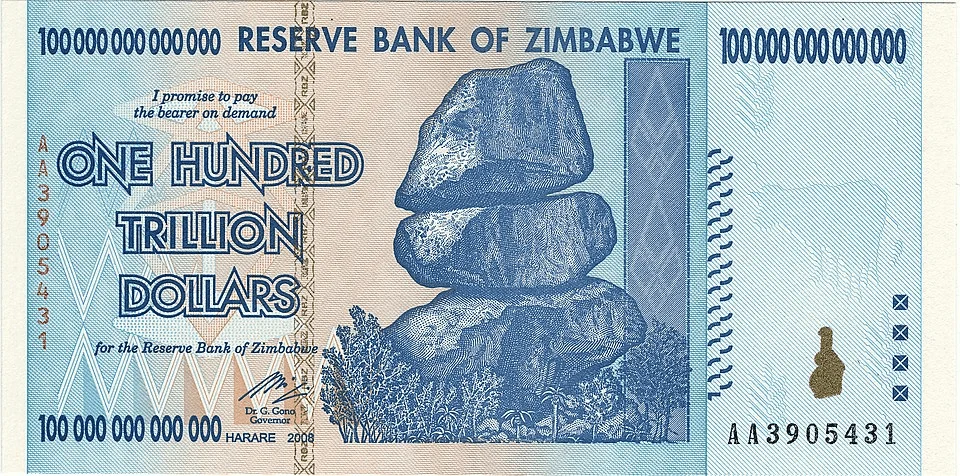
- Face value: Worth less than gum
- Collector value: €60–100
Why? Because it’s ridiculous — and it tells a story everyone loves: runaway inflation and epic failure.
🎨 6. Design & Beauty: Yes, Aesthetics Matter
Some banknotes are just stunning — engraved like fine art, or psychedelic like a 70s album cover.
Even if they’re common, they’re collectible purely for the wow factor.
Example:
Netherlands 50 Gulden “Sunflower” (1982)
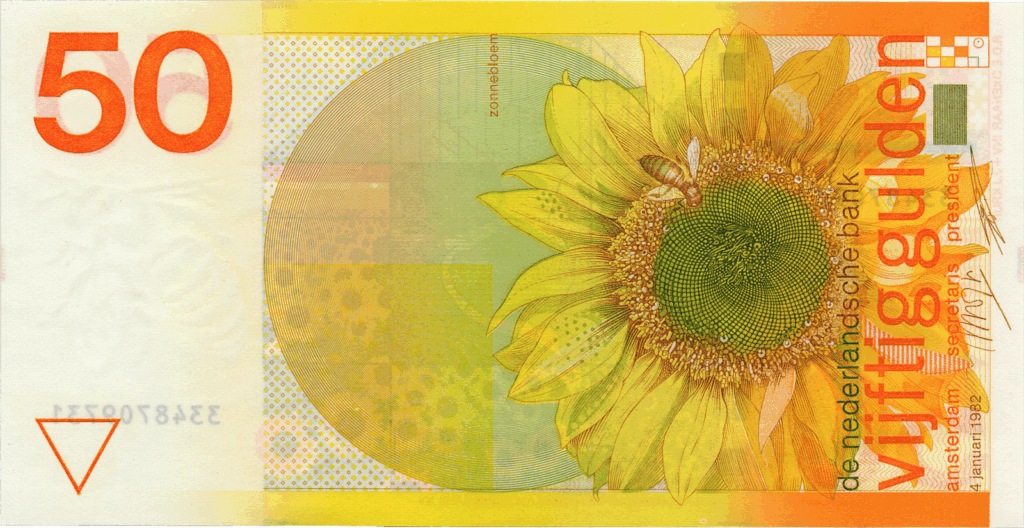
- Designed by Ootje Oxenaar.
- Gorgeous. Modern. Dutch.
- Value: €40–60 UNC
Art you can hold. Without museum security chasing you.
📦 7. Demand: The Collector Factor
Even the rarest note is worthless if no one wants it.
Conversely, a fairly common note might be valuable just because everyone’s hunting it.
Watch the market: forums, auctions, collector groups. Follow what’s hot. (Hint: usually something with an animal, a dictator, or a weird serial.)
🏁 Final Thoughts
Collecting banknotes isn’t about guessing — it’s about observing, researching, and sometimes, trusting your gut. Or your cat, if it’s into paper.
But if you find something that’s:
- Clean
- Rare
- Weird
- Historically juicy
- Or just drop-dead gorgeous…
Then you might just be holding more than money. You’re holding a piece of history — or, potentially, your next vacation.