
Kirani James on the Future EC$5 Banknote: Grenada’s Olympic Gold Replaces the Queen
Grenada • Eastern Caribbean Currency • Polymer Banknotes • Olympic Legacy
The Eastern Caribbean dollar is about to carry a very different kind of portrait. Reports from Caribbean media say Grenadian Olympic champion Kirani James has been selected to appear on a future EC$5 banknote, replacing the image of Queen Elizabeth II as part of a broader redesign of Eastern Caribbean currency planned for 2027.
For collectors, this is not just a new face on a small note. It is a shift in what the currency wants to say about the region. A monarch’s portrait is being replaced by a Caribbean athlete whose gold medal turned Grenada into one of the loudest small nations in Olympic history.
Quick Facts
- Currency: Eastern Caribbean dollar
- Denomination: EC$5
- Future portrait: Sir Kirani James
- Country represented: Grenada
- Issuer: Eastern Caribbean Central Bank
- Expected timing: New series expected in 2027
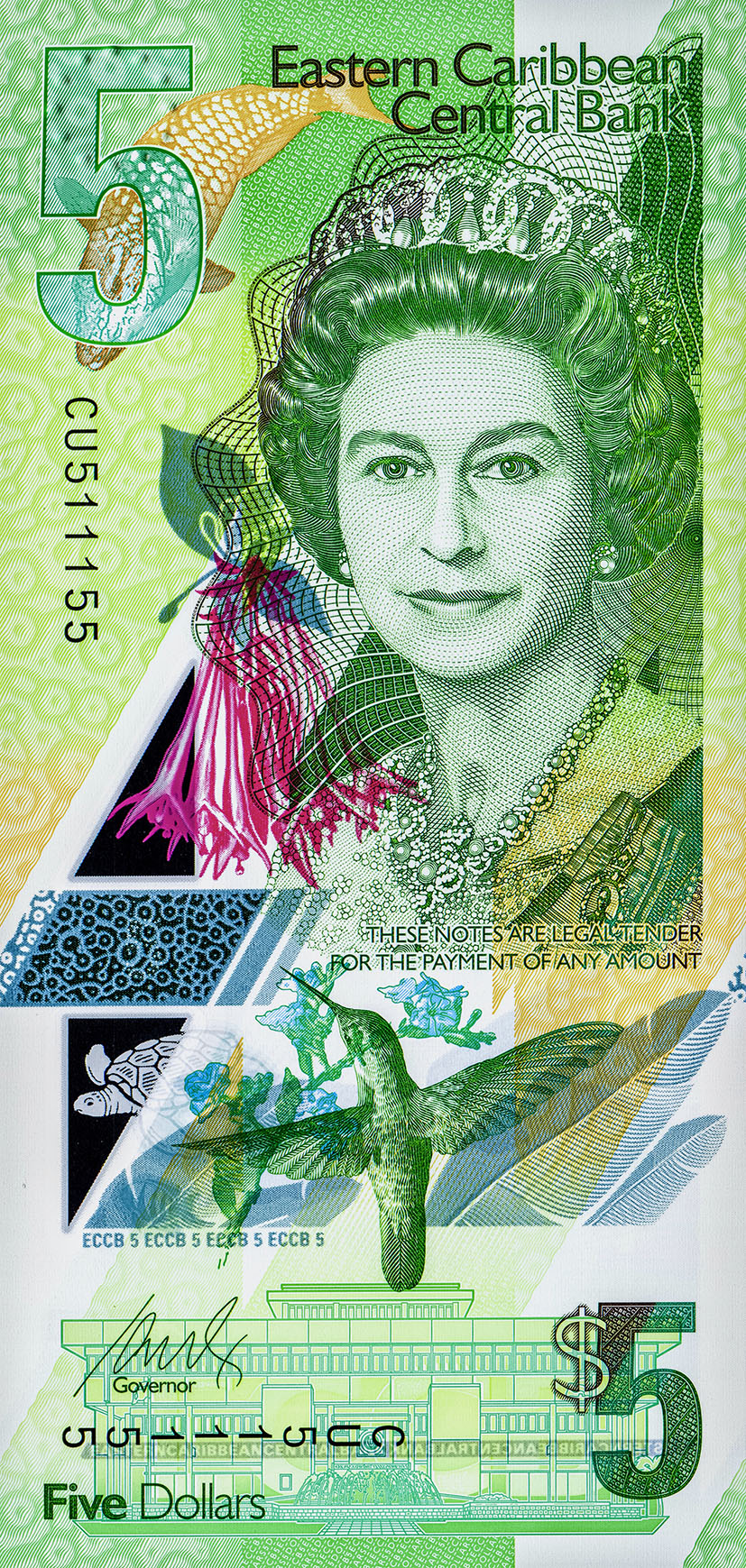
- Current design context: Queen Elizabeth II appears on the existing EC$5 polymer note
- Collector theme: Post-monarch currency, sport, Caribbean identity, polymer banknotes
Collect banknotes related to this article
Explore authentic world banknotes connected to this country, region or collecting theme.


| Specification | Details |
|---|---|
| Banknote | Eastern Caribbean EC$5 future redesign |
| Person honoured | Sir Kirani James, Grenadian 400 metre Olympic champion |
| Reported design change | Replacement of Queen Elizabeth II on future Eastern Caribbean banknotes with distinguished figures from member countries and territories |
| Issuer | Eastern Caribbean Central Bank |
| Currency union | Eastern Caribbean Currency Union |
| Material context | The current modern EC dollar family is polymer-based |
| Expected release window | Reports point to reveal and availability in 2027 |
| Strategic tags | Grenada, Kirani James, EC dollar, polymer, Olympic champion, 2027 |
The key word here is future. The available reports describe a selection and a scheduled redesign, not a fully released banknote with a complete public security catalogue. That matters, because the collector market has a habit of turning early announcements into finished facts before the ink has even met the polymer.
Why This Banknote Story Matters
The EC$5 is a low-denomination note, but the symbolism is heavyweight. Queen Elizabeth II has long been one of the most familiar portraits on Eastern Caribbean money. Replacing that image with Kirani James changes the note from a colonial-era visual habit into a regional celebration of achievement.
From Crown Portrait to Caribbean Achievement
The announcement is part of a wider plan to place distinguished figures from Eastern Caribbean member countries and territories on future banknotes. That means the redesign is not only about Grenada. It is about the currency union telling its own story with its own people.
Why Kirani James Fits the EC$5
Kirani James won Grenada’s first Olympic gold medal in the men’s 400 metres at London 2012. His career also includes a world title and later Olympic medals, making him one of the most internationally recognised athletes produced by the Eastern Caribbean.
Why Collectors Should Watch Early
Portrait transitions create collecting moments. When the old Queen Elizabeth II EC$5 sits beside the future Kirani James EC$5, the pair will tell a clean before-and-after story that even non-specialists can understand.
The Existing EC$5 Design: What It Is Replacing
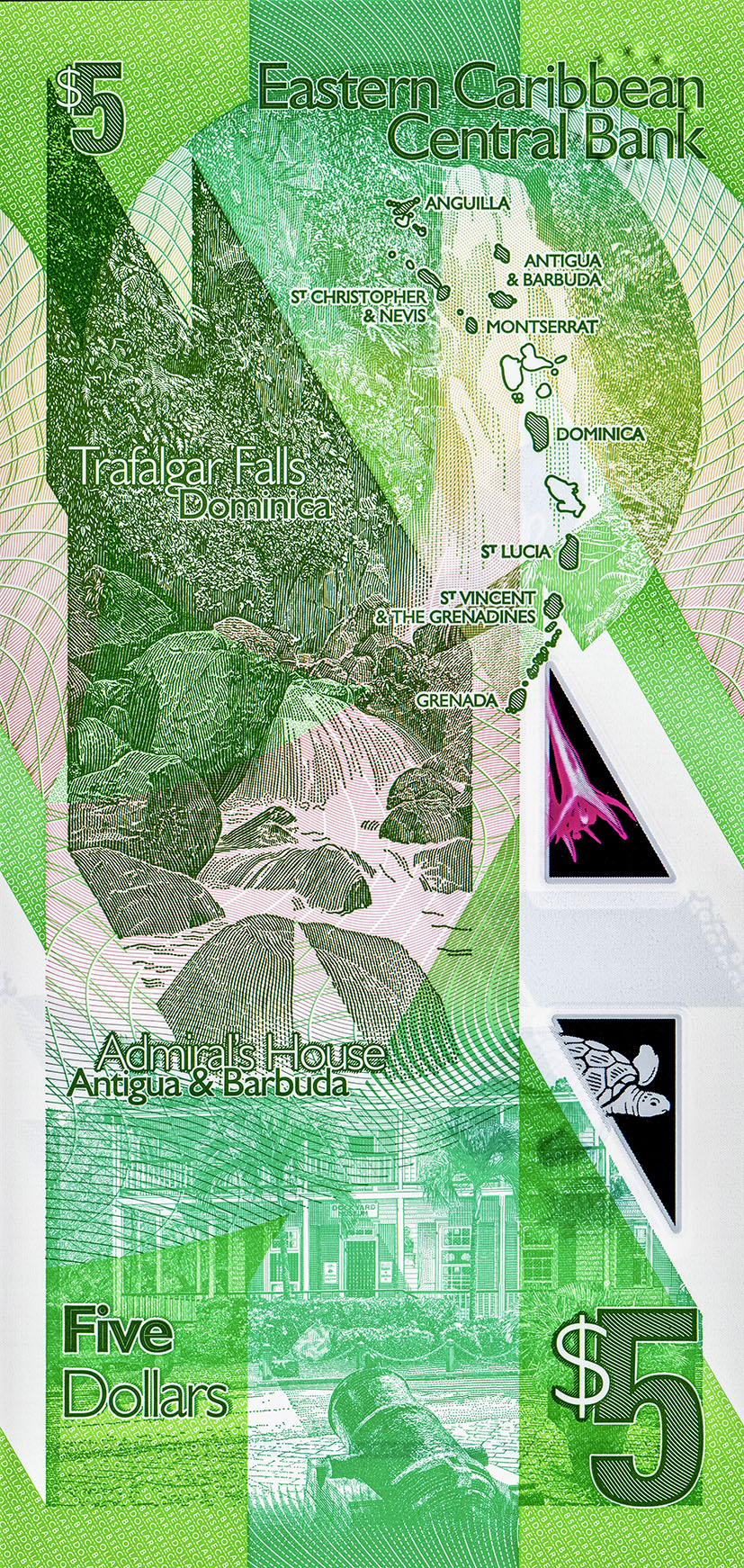
The current polymer EC$5 belongs to the modern vertical family introduced by the Eastern Caribbean Central Bank. Its obverse includes Queen Elizabeth II, tropical and marine imagery, and the security language typical of the 2019 polymer series.
Current Design Elements to Compare Later
- Portrait: Queen Elizabeth II is the main existing portrait element.
- Regional nature: Marine and bird motifs keep the note tied to the Eastern Caribbean environment.
- Polymer format: The modern series is built around durability and stronger security.
- Vertical composition: The current family uses a contemporary vertical layout.
- Future collector comparison: Once the Kirani James design appears, the portrait field will become the obvious comparison point.
This is why collectors should not treat the future note as just another commemorative headline. If it enters the regular design family, it becomes part of the everyday visual language of the Eastern Caribbean dollar.
Polymer Context and the 2027 Currency Redesign
The Eastern Caribbean Central Bank began the shift to polymer notes in 2019, with the EC$5 scheduled for the later part of that rollout. The future Kirani James note sits inside that modern polymer context, not in the older paper-note era.
Polymer Durability
Polymer banknotes are designed to last longer in humid, high-use cash environments. That matters in the Caribbean, where circulation conditions can be hard on paper notes.
Collector Grade
UNC examples of the first Kirani James EC$5 issue will likely be the natural target for modern banknote collectors.
Serials and Prefixes
When the note is released, collectors should document first prefixes, replacement notes, printer information and any commemorative presentation packs if issued.
Collector Market Analysis: Why the First Kirani James EC$5 Could Matter
The strongest collector hook is not simply that a famous athlete appears on money. The stronger hook is the transition itself: the EC$5 becomes a bridge between monarchy, regional identity and modern sport.
What to Collect
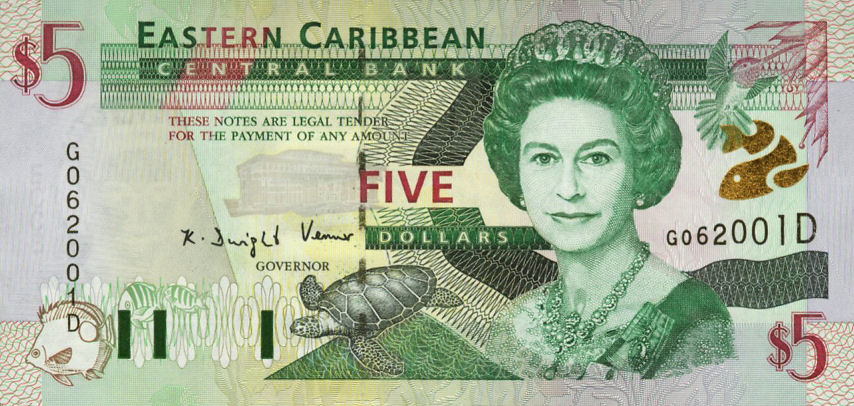
- Current Queen Elizabeth II EC$5 polymer notes in UNC condition.
- The first Kirani James EC$5 issue once released.
- First-prefix or early-prefix examples if documented.
- Official folders, announcements or launch material from the ECCB if made available.
- Comparison pairs: current Queen portrait note beside the future James portrait note.
Why It Has Wider Appeal
This note can interest sport collectors, modern polymer specialists, Caribbean collectors and post-monarch banknote collectors. That overlap gives the future EC$5 more market personality than a routine signature variety.
Risk Note
Until the ECCB publishes full final designs and release details, sellers should avoid describing mockups, social graphics or news images as the final issued banknote.
Video and Social Context
The story is also circulating heavily through social and video channels. The video below is included as a contextual reference from the source list provided for this article.
If the embedded video is blocked by browser or platform settings, open the source link from the Media Assets or Sources Audit sheet.
Sources and Further Research
This article was built from checked article sources, banknote references and the social/video links provided for monitoring. Blocked social pages were recorded in the audit sheet rather than treated as primary factual sources.
- The Caribbean Camera: Report on Kirani James being honoured on the future EC$5 banknote
- OECS / ECCB: Polymer banknote rollout background
- BanknoteNews: Current EC$5 polymer note image reference
Browse authentic notes connected to Grenada, the Eastern Caribbean and the wider Americas in the GlobeNote shop: View related banknotes
Frequently Asked Questions
Is Kirani James already on the EC$5 banknote?
No. The available reports describe him as selected for a future EC$5 banknote in the planned 2027 redesign.
Who currently appears on the EC$5 note?
The current EC$5 polymer note features Queen Elizabeth II on the obverse.
Why is Kirani James important to Grenada?
Kirani James won Grenada’s first Olympic gold medal in the men’s 400 metres at London 2012 and became one of the country’s most globally recognised athletes.
Why does this matter for collectors?
Portrait changes create clear collector milestones. The Queen Elizabeth II EC$5 and the future Kirani James EC$5 will form a natural before-and-after pair.
Is the future EC$5 expected to be polymer?
The modern Eastern Caribbean dollar family is polymer-based, so the future redesign should be understood in that polymer-note context unless the ECCB announces otherwise.
This article is part of our New Banknotes 2026 guide.
Want the paper itself? Visit the GlobeNote shop for collectible world banknotes.
For material context, see our Polymer Banknotes guide.