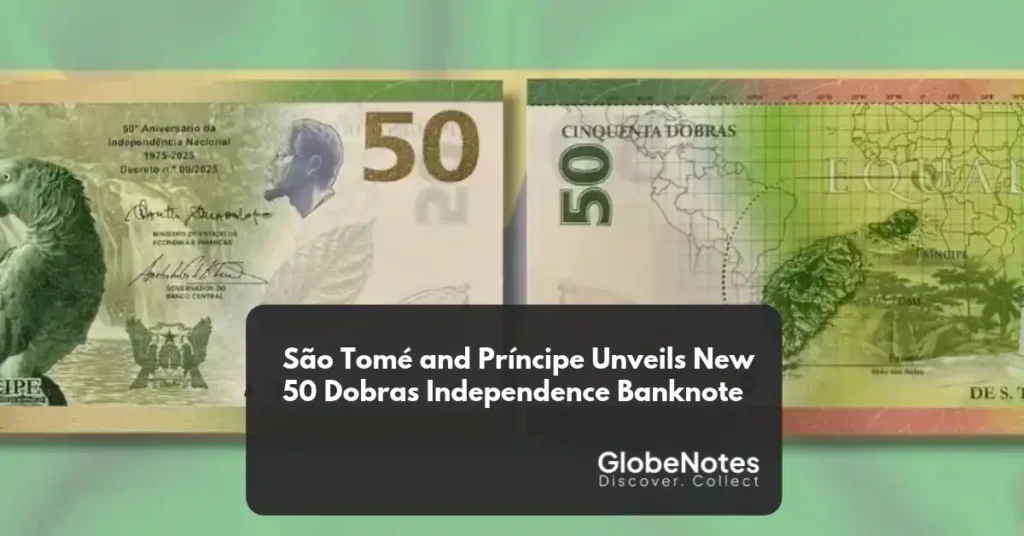

Sudan 1000 Pounds in Darfur: Old Blue Notes, Conflict Money and a Very Modern Banknote Story
Sudan • 1000 Pounds • Darfur Conflict Circulation • Blue Notes vs Green Replacement Notes
Quick Facts
- Country: Sudan
- Denomination: 1000 Sudanese pounds
- Years discussed: 2019, 2022 and 2024 replacement context
- Issuer: Central Bank of Sudan
- Topic: Old blue notes reportedly used in Darfur salary payments
- Status: Conflict-money and monetary-fragmentation article
Collect banknotes related to this article
Explore authentic world banknotes connected to this country, region or collecting theme.


| Specification | Details |
|---|---|
| Denomination | 1000 Sudanese pounds |
| Issuer | Central Bank of Sudan |
| Blue-note dates reported by MRI | 2019 and 2022 |
| Replacement context | Green 1000-pound notes issued by the recognized government in 2024 to replace older blue notes |
| Conflict location | El Fasher, North Darfur |
| Conflict actor named in source | Rapid Support Forces and allies |
| Collector angle | Old-note circulation, replacement policy, monetary fragmentation and conflict-money provenance |
| Suggested tags | Sudan, Darfur, 1000 pounds, Rapid Support Forces, conflict money, Africa, modern banknotes |
Why Old Blue Notes Matter in Darfur
In normal conditions, a replacement note is a tidy catalog line: old design out, new design in. Darfur is not a tidy monetary environment. When old 1000-pound blue notes reportedly return through salary payments, they become a practical tool inside a fractured economy. The blue notes matter because they show three things at once: cash shortage, contested authority and local acceptance. People may not be choosing between elegant banknote varieties. They may be choosing between paper they can spend today and paper that only makes sense in another part of the country.The salary-payment detail is the story
MRI’s report says the notes appeared after salary payments by the RSF and allied groups. That matters because salaries create circulation. If fighters, officials or local employees are paid in a particular note, markets must decide whether to accept it.Old notes can become political paper
A withdrawn or replaced note normally loses collector and payment relevance over time. In a divided war economy, however, old notes can keep moving if one side rejects the replacement policy or lacks access to newer cash.The Conflict Context Behind The Banknote
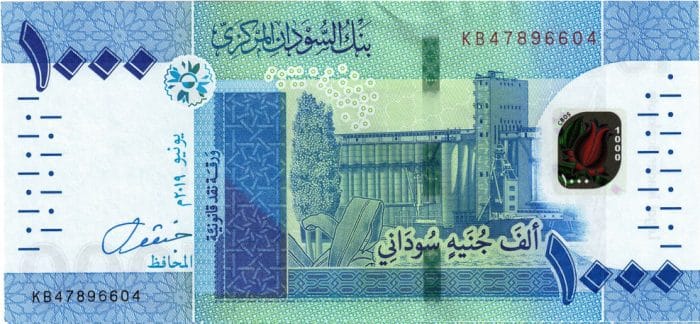
Sudan’s conflict is not a backdrop decoration for this article. It is the reason the banknote story exists. The war between the regular army and the RSF has fractured institutions, trade routes and administrative control. Darfur, and especially El Fasher, has carried enormous humanitarian and political weight in that fracture. Reuters has reported that new Sudanese notes circulating in RSF-controlled areas are deepening a de facto split in the country. That is the modern part of this banknote story: cash is no longer just issued by a central authority and quietly absorbed by the market. It becomes part of a struggle over recognition, salaries and everyday survival. For GlobeNote readers, the lesson is clear: the Sudan 1000 pounds is not only a design with grain silos, agriculture and waterfalls. It is a banknote caught between official replacement, local necessity and the hard economics of conflict.Blue Notes, Green Notes and The Split-Currency Problem
- 2019 blue 1000 pounds: Earlier issue in the blue-note family, now important because MRI links the blue notes to Darfur circulation.
- 2022 blue 1000 pounds: Later blue-date issue reported by MRI as part of the notes apparently used in the Darfur salary-payment context.
- 2024 green replacement notes: The recognized government replacement context. This creates the blue-versus-green divide at the heart of the story.
- Darfur circulation: The conflict setting changes the meaning of the notes from catalog varieties to conflict-money artifacts.
- Market acceptance: A note’s value depends not only on the central bank text printed on it, but also on whether people in a market can actually use it.