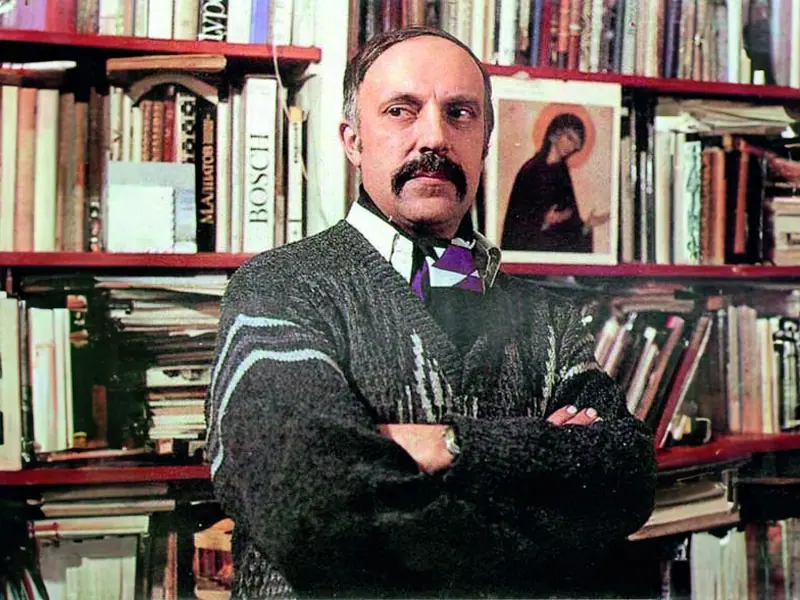
Vasyl Lopata Banknote Designs: Ukrainian Hryvnia Sketches and Legacy
The co-designer of Ukraine’s first hryvnia banknotes (1992–1994) has passed away at 85, leaving behind sketches, portraits, and a cultural legacy imprinted on paper money.
Vasyl Ivanovich Lopata (1941–2025), Ukrainian painter, engraver, and illustrator, died on September 18 in the United States. His death was announced by public figure Yury Peroganych. Lopata is best remembered in the numismatic world as the man who, alongside Borys Maksymov, gave visual identity to the first Ukrainian hryvnia banknotes of 1992 and 1994 — embedding history, architecture, and literature into national currency.
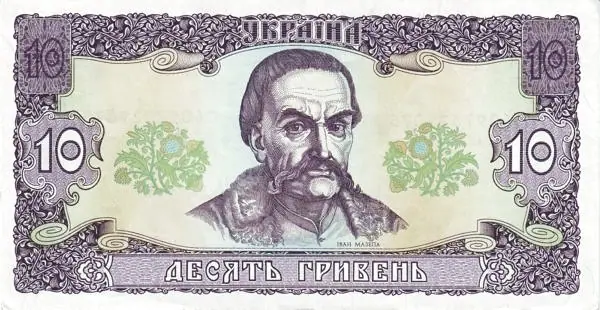
Designs, Sketches and Bozzetti
According to the National Bank of Ukraine, the creation of the hryvnia’s first series began in 1992. Lopata painted portraits of historic figures and iconic architecture, while Borys Maksymov developed the graphic elements and typography.
Sketches attributed to Lopata survive in the archives of the Money Museum of the NBU. Exhibitions like “Hryvnia. More than Money” have displayed preliminary bozzetti, showing how pencil and ink drawings evolved into full-fledged banknotes.
Selected Banknotes Designed by Vasyl Lopata
- 10 Hryvnia (1992/1994)
- Portrait of Hetman Ivan Mazepa, Kyiv Pechersk Lavra
- 50 Hryvnia (1992/1994)
- Portrait of Mykhailo Hrushevsky, Verkhovna Rada building
- 200 Hryvnia (later issue)
- Attributed to Lopata and Maksymov in design archives
These early hryvnia designs, some printed abroad in Canada and the UK before Ukraine had its own facilities, remain milestones of national identity expressed through money.
Legacy, Collecting and Cultural Impact
Lopata was not only a banknote designer but also a national illustrator and winner of the Shevchenko Prize. His works, including illustrations for Kobzar and The Tale of Igor’s Campaign, bridged literature and visual art. In banknotes, he achieved the rare feat of merging daily transactions with cultural storytelling.
For collectors, Lopata’s early hryvnia notes and related sketches are valuable artifacts. Specimen issues and museum-preserved bozzetti serve as both cultural and numismatic treasures.