
Let’s get one thing straight: banknotes collecting is no longer a dusty hobby reserved for retired geography teachers with elbow patches and magnifying glasses. No — in recent years, it’s gone full throttle into something far more exciting. Think Wall Street with a leather-bound album and just a hint of colonial guilt.
What changed? Well, a mix of technology, scarcity, and the sudden realization that these little pieces of paper are, frankly, bloody gorgeous. For starters, they are not only miniature works of art, but also carry real weight — political, cultural, and historical.
In contrast to cryptocurrencies (which don’t even exist in a physical sense) or NFTs (which really shouldn’t), banknotes are tangible, tactile, and, at times, smell faintly of rebellion.
And now it’s 2025. The market is booming, collectors are multiplying like rabbits, and people are paying more for a Mongolian polymer note than they would for a round-trip flight to Tokyo.
But don’t be fooled — this isn’t just about old money. It’s about rare, weird, and wildly beautiful notes from every corner of the globe. Notes that make you think. Notes that make your mates say, “What the hell is that, and why is there a snake on it?”
This isn’t a boring lecture on currencies. This is a proper guide — packed with trends, insights, and smart moves — for people who want to stop watching from the sidelines and start getting involved. Whether you’re a rookie collector, a savvy investor, or a sharp entrepreneur looking for the next big thing, this guide will show you how banknotes are becoming one of the most fascinating assets in today’s global market.
Here’s what you’ll find:
- Why world banknotes are gaining value — fast.
- What types to look out for (hint: if it’s got a dictator or a dolphin, it’s probably hot).
- And how to build a collection that doesn’t just sit in a drawer but tells a story — or makes you money. Or both.
Because let’s face it: nothing beats owning a note that once bought a loaf of bread… and now buys you bragging rights in three continents.
1. The World Banknote Market in 2025: Beauty, Blockchain, and the Unexpected Boom
Welcome to 2025 — a year where collectible banknotes are no longer dusty relics of the past, but front-row players in a market that blends history, design, and cold-blooded investment strategy. If you thought stamps were quaint and coins were for grandads, banknotes are the paper rebels rewriting the rules.
In this section, we’ll take a deep dive into what’s changed, what’s trending, and why the world of collectible currency is starting to look a lot like a Formula 1 pit lane: fast, complex, and surprisingly profitable.
1.1 Market Shifts That Matter
The past few years have been anything but boring. The banknote market has grown into a wild fusion of tech innovation, investor interest, and digital community buzz. Here’s what’s fueling the fire:
- Tech-Driven Design: From UV-reactive inks to holographic stripes that look like they belong on the side of a spaceship, today’s banknotes are built like anti-counterfeit masterpieces. Collectors? They love it. Forgers? Not so much.
- The Rise of the Numis-Geek: Social media, YouTube, and online marketplaces have created a new generation of collectors — younger, savvier, and with a habit of saying things like “polymer substrate” over brunch.
- Alternative Assets on the Rise: In an age of economic uncertainty, people are ditching volatile markets and turning to physical assets. Rare banknotes — especially uncirculated or limited-edition pieces — are becoming the new “smart money”.
And this growth isn’t just theory. The primary market (direct from central banks or official dealers) and the secondary market (auctions, collectors, platforms like GlobeNote) are both expanding rapidly.
1.2 What’s Hot in 2025
Now, let’s talk about what’s new — and what’s downright sexy — in the world of paper currency this year:
- Limited Editions Are the New Black: Central banks across the globe are getting creative, issuing commemorative series to mark cultural events, national milestones, or — let’s be honest — just to flex their design teams.
- Blockchain is Here (and It’s Not Boring): Some platforms are using blockchain to track provenance and certify authenticity. Think of it as digital DNA for your Afghan 500 Afghani note — and a nightmare for counterfeiters.
- Design Meets Sustainability: Welcome to the age of biodegradable banknotes. Yes, some are now printed on recycled materials or plant-based polymers. Green, gorgeous, and guilt-free.
1.3 The Numbers That Matter
And if you’re the kind who only trusts data, here’s the kicker:
- The global collectible banknote market grew by 7–8% in 2025.
- Online platform traffic — from forums to marketplaces — rose by 12%, showing just how much the digital world is fueling this paper chase.
- A sharp rise in collectors under 40 is reshaping the community, proving this isn’t just a hobby — it’s a movement.
So whether you’re here for the art, the investment potential, or just the thrill of holding something that once bought a coffee and now buys you bragging rights — 2025 is the year banknotes finally stopped being background noise and started roaring like a V12.

2. Paper, Plastic, and a Touch of Madness: Inside the Wild World of Banknotes
You wouldn’t think a scrap of paper — or plastic, these days — could trigger obsession, bidding wars, or long arguments between grown men on online forums. But it does. Because this is not just a banknote. It’s a weapon of soft power. A piece of portable propaganda. A nation’s best attempt at looking dignified while still being spendable at a petrol station.
And in the world of collecting? Banknotes are no longer second fiddle to stamps or coins. They’re front and center, gleaming in sleeves, flattened under glass, and occasionally sold for the price of a second-hand Porsche.
But not all banknotes are created equal.
2.1 First, Let’s Talk Condition — Because Size Isn’t Everything
There are circulated notes — the beaten-up veterans of wallet life. They’ve paid for chewing gum, taxi rides, maybe even a goat. And it shows. They’re creased, smudged, and occasionally smell like desperation.
Still, some of them can be valuable — particularly if they come from a limited issue, or a country that no longer exists (Yugoslavia, I’m looking at you). But generally, they’re not the stars of the show.
Then you have uncirculated notes. These are the mint-condition, never-folded, straight-from-the-vault divas of the banknote world. They’ve never been touched by human hands. Probably cry when you breathe on them. And they’re the ones serious collectors want — the financial equivalent of a perfectly preserved E-Type Jaguar.
You wouldn’t drive one. You just want to say you own one.
2.2 Then Comes the Drama: Themes, Regions, and National Egos
Some people collect by theme. They want every banknote with a butterfly on it. Or trains. Or despots. And yes, there’s a weirdly large number of notes featuring slightly too-smiley dictators gazing confidently into the middle distance. It’s like Tinder for authoritarian regimes.
Others collect by region. African notes tend to be vibrantly designed, full of color and culture and dignity. Asian notes? Delicate, intricate, often featuring buildings more ornate than most cathedrals in Europe. South American ones? A carnival of jaguars, volcanoes, and revolutionary eyebrows.
But the real fun comes when you go global — when you put, say, a Bhutanese ngultrum next to a Canadian dollar and realize just how differently nations imagine themselves. One says serenity and tradition. The other says I will survive a washing machine.
And when you line up twenty or thirty of these notes side by side, it’s not just currency anymore. It’s a conversation, history. comedy. But art.
2.3 And Let’s Not Forget What They’re Made Of
Once upon a time, banknotes were made of paper. Cotton, usually. Which meant they were sort of noble, kind of fragile, and occasionally edible to moths. Now? More and more of them are printed on polymer — basically, plastic so advanced it probably came from NASA.
Polymer notes last longer. They’re harder to forge. They survive washing machines, baby spit, and humidity in tropical countries. They’re transparent in bits, textured in others, and often look like something you’d use to access a nuclear facility.
Are they better than paper? Technically, yes. Emotionally, maybe not. There’s something undeniably charming about a good old paper note. The softness. The smell. The way it folds — reluctantly, with gravitas.
But if you’re investing? Go plastic. Unless you’re the kind of collector who frames things under UV-filtered museum glass, in which case — go nuts with either.
Comparison Table: Paper vs. Polymer
| Feature | Paper Banknotes | Polymer Banknotes |
|---|---|---|
| Durability | Good, but fades with use | Excellent — practically immortal |
| Security | High (watermarks, threads) | Higher (holograms, clear windows) |
| Environmental Impact | Higher (tree-based materials) | Lower (recyclable, longer lifespan) |
| Design Style | Classic and traditional | Sleek, modern, often experimental |
2.4 So What’s the Point?
The point is this: collecting banknotes is no longer a gentle pastime for quiet men in quiet rooms. It’s a booming, global market driven by rarity, history, design, and a touch of beautiful, unapologetic nerdiness.
And yes, some notes are more valuable than others: some are works of art, other are absurd. Some are both. But every one of them tells a story — not just about where it came from, but about the world it circulated in, the people who handled it, and the ideas it was meant to project.
In short: you’re not just collecting money. You’re collecting meaning.
3. So, You Want to Collect Banknotes? Here’s How Not to Make a Fool of Yourself
Starting a banknote collection might sound as exciting as alphabetizing your socks — until you realise you’re handling the only thing that once paid for a loaf of bread… and now pays for a Porsche.
But here’s the thing: you don’t just wake up one morning and become a collector. You need a plan. A reason. A mildly irrational obsession. And possibly a magnifying glass.
So let’s walk through how to start collecting world banknotes without going bankrupt, losing your sanity, or worse — buying fakes from a guy named “NumisKing999” on eBay.
3.1 Define Your Why — Before You Buy
First things first: why are you doing this?
- For passion? Because you saw a banknote with a flamingo on it and thought, that belongs in my life.
- For investment? Because you read somewhere that rare notes outperformed gold last year and you’re already on your third financial podcast.
- For education? Because you want to hold a little slice of Cold War history without needing a visa or time machine.
📝 Pro tips before jumping in:
- Set a realistic budget — not your life savings, not your vacation fund. Something between “that’s manageable” and “I won’t cry if I lose it.”
- Choose a focus: by country, theme, era, material, dictator… whatever makes your collection yours.
- Join forums and groups. You’ll learn more in one day chatting with an obsessive collector from Serbia than you will in a month on Google.
3.2 Where to Actually Buy the Damn Things
Let’s be honest: it’s 2025. If you’re still digging through flea markets hoping to find a 1917 Russian Ruble, you may also believe Elvis is hiding in Iceland.
Here’s where real collectors go shopping:
- Specialist online stores (like GlobeNote, hint hint): Trustworthy, curated, and often offering certified PMG-graded notes. You know what you’re buying, and it won’t arrive with ketchup stains.
- Online auctions: eBay, Delcampe, and dedicated numismatic platforms can be goldmines — or absolute chaos. Proceed with filters and sanity intact.
- Fairs and expos: Yes, actual real-life events. Meet dealers, examine notes in person, and listen to passionate people talk about watermark positions like they’re discussing fine wine.
3.3 How to Value and Store Your Precious Paper
Valuation: AKA “Is This Worth More Than a Sandwich?”
Value in banknotes is like value in wine: it depends on the condition, rarity, and how many other lunatics want it. Here’s how to do it without making up numbers:
- Check the condition – UNC (uncirculated), XF (extra fine), VF (very fine)… basically, how battered it looks. No folds = more money.
- Confirm authenticity – Use catalogues like the Krause or go straight to a professional grader.
- Assess rarity – Limited editions, low print runs, or “that time Zambia printed one batch and gave up” = high demand.
- Compare to real sales – Not wishful listings, but actual sold prices.
- Ask a proper expert – Ideally someone who doesn’t wear a monocle, but knows their stuff.
Storage: Keep It Safer Than Your Passport
Even the prettiest, rarest note is worthless if you let your cat sit on it.
- Use archival sleeves and albums, designed to keep out light, dust, and humidity — unlike that shoebox in your attic.
- No bare hands! Use cotton gloves if you’re handling them. Or at least, wash your hands and try not to sneeze.
- Store in a cool, dry, secure place. Translation: not your kitchen drawer.
If you’re serious about investing, consider a safe deposit box or home safe. If you’re not, at least don’t leave them near the radiator.
Final Words of (Crisply Printed) Wisdom
Starting a collection is like starting a band: you need passion, discipline, and ideally someone to tell you when you’re buying junk. But do it right, and one day you’ll look at your album full of uncirculated masterpieces and think: “I understand the world a little better now… and I’ve made a tidy profit while doing it.”
Or, at the very least, you’ll own a banknote with a platypus on it. And honestly? That’s worth something too.
3. Bonus Chapter — 7 Beginner Mistakes That Will Wreck Your Banknote Collection (and Your Dignity)
1. “I got it on eBay for €3 — must be a hidden gem!”
Nope. What you bought is most likely a wrinkled note that survived a decade in someone’s glovebox.
Rare doesn’t mean “I’ve never seen it before.” It means: limited issue, verified, desirable, and in excellent condition — not limp and coffee-stained.
2. “It’s old, so it must be valuable!”
By that logic, so is expired milk.
If your note is creased, faded, torn, or smells like an attic, it’s not a treasure — it’s a tragic paper towel.
In numismatics, condition is everything. Old and ugly is still ugly.
3. “Plastic sleeve? Protection sorted!”
Wrong plastic = moisture trap of doom.
If it’s not acid-free, archival-grade, and crystal-clear, you’re just wrapping your note in a future fungus farm.
This isn’t a sandwich. It’s currency. Respect it.
4. “Better to buy lots of cheap ones than one expensive one”
Perfect. You’ll soon own 300 different notes… all worth less than a cup of coffee.
Better to own one good note in top condition than a pile of post-Soviet pocket lint.
5. “It looks real enough, I don’t mind if it’s fake”
Then you’re not a collector — you’re a tourist.
Authenticity matters. Learn to check watermarks, serials, inks, and security threads. Or better: use a catalog (like Pick or Krause) and consult a professional.
Otherwise, enjoy your beautifully printed… wallpaper.
6. “No need to catalogue, I’ll remember everything”
No, you won’t. After the 10th note, your brain turns to mush. After the 30th, you’ll swear you’ve seen that elephant before.
Every note needs a record: country, year, Pick number, condition, price, and any notes. Bonus points if you back it up digitally.
7. “I’ll just leave them in a drawer for now”
Spoiler alert: humidity is real, corners bend, and someone in the house will use one to write down a phone number.
Storage equals value. Use sleeves, keep them in a dry, stable environment — ideally a safe.
If you treat them like receipts, they’ll age like receipts.
4. Online vs. Traditional: How to Buy World Banknotes Without Regret
Until recently, building a collection of world banknotes meant wandering through antique shops, whispering to elderly dealers, and hoping you weren’t buying a piece of toilet paper from 1983 disguised as Peruvian currency.
Today, the game has changed. The rise of e-commerce, specialist platforms, and global marketplaces has revolutionized how collectors acquire banknotes. With a smartphone and a spark of obsession, you now have access to currencies from all continents — without leaving your sofa.
But with great access comes great confusion. Should you trust a seller with 4.8 stars and suspicious grammar? Or fly to a numismatic fair just to inspect a note in person? Welcome to the eternal duel between the digital world and the old-school charm of traditional collecting.
Let’s explore both.
4.1 The Digital Bazaar: Buying Banknotes Online
Buying world banknotes online feels like stepping into a global vault with no closing hours. Platforms like GlobeNote (naturally), PMG-certified dealers, auction websites, and even marketplaces like eBay are brimming with exotic pieces — from Zimbabwean hyperinflation oddities to crisp uncirculated polymer notes from Australia.
And yes, it’s ridiculously convenient. In just a few clicks, you can purchase a note from Laos, compare it to one from Canada, check the price history, and read customer reviews — all before your coffee cools.
But here’s the catch: you can’t touch the paper. You can’t feel the texture. You’re trusting a couple of photos and a vague promise of “UNC” condition. And let’s not forget the occasional rogue seller who thinks “circulated” means “run over by a truck.”
That’s why seasoned collectors rely on certified platforms, expert grading, and seller ratings. It’s also why they often stick to reputable online shops instead of gambling in the digital flea market.
4.2 The Old-School Approach: Dealers, Auctions, and Fairs
Then there’s the analog way: real shops, physical auctions, and numismatic events, where you can inspect a banknote up close, talk to a human being, and ask embarrassing questions without being judged by an algorithm.
The advantage? You see exactly what you’re buying. You spot the micro-fold, the watermark, the tiniest ink smudge. And you can ask: “Is this worth it?” and watch the seller’s face for signs of panic.
But it’s not always easy. Not every city has a quality numismatic shop. And traveling to a fair in Berlin or Tokyo just to find a 1965 Bolivian note isn’t always practical — or cheap.
Still, nothing beats the atmosphere of a live auction or the buzz of a coin & banknote expo, where collectors whisper like gamblers and display folders like holy relics.
4.3 Smart Collecting Banknotes in 2025: The Hybrid Strategy
In today’s market, the smartest collectors know how to play both sides.
They use online platforms for variety, speed, and access to international inventory — comparing prices, watching auctions, and setting alerts. But they also attend physical events and visit trusted dealers to inspect high-value notes in person, seek expert advice, and build relationships that go beyond PayPal and tracking numbers.
The key is to think long term. Build trust. Diversify your sources. And never, ever, assume that a flashy photo equals a flawless note.
Online vs. Traditional Banknote Buying: Pros & Cons
| Feature | 🖥️ Online Marketplaces | 🏛️ Traditional Dealers & Fairs |
|---|---|---|
| Accessibility | 24/7, global reach — buy from anywhere | Limited to physical location and event schedules |
| Variety | Thousands of world banknotes at your fingertips | More limited stock, but often more curated |
| Condition Evaluation | Based on photos and descriptions only | Can inspect the note directly before purchase |
| Risk Level | Higher — risk of counterfeit or misleading listings | Lower — trusted dealers often offer guarantees |
| Expert Advice | Forum-based, indirect, or via customer support | Direct, personal consultation with experts |
| Community & Networking | Online groups, reviews, and social media | In-person networking with collectors and dealers |
| Pricing | Competitive, possibility to compare and bid | May include markup but room for negotiation |
| Shipping & Customs | Possible delays, import fees, and damages | Instant handover, no shipping surprises |
| Learning Experience | Self-taught, via blogs and forums | Immersive — often includes background stories |
| Trust & Reputation | Based on ratings and transaction history | Built through personal interaction and loyalty |
5. The Future of World Banknotes: What Comes Next?
What if the future of banknote collecting wasn’t tucked inside an old shoebox under your bed—but instead, riding on the blockchain, powered by apps, and visualized in 3D through your phone? Welcome to 2025, where the world of numismatics is no longer stuck in the past, but boldly stepping into the future.
5.1 Digital Tools, Real Value: When Paper Meets Code
You might think of banknotes as analogue relics of a dying age. But here’s the plot twist: the digital revolution has not replaced them—it’s enhancing them.
- Blockchain authentication is no longer sci-fi. It’s becoming standard practice. Major dealers and collectors are turning to decentralized ledgers to verify provenance, ownership, and condition with timestamped accuracy.
- Mobile apps and collection platforms allow you to catalog, price-track, and even virtually display your collection—think Pokémon GO meets the Bank of England.
- Augmented reality? Yes, it’s here too. Point your phone at a note, and watch security features, historic details, or artistic elements literally come to life.
These aren’t gimmicks—they’re tools that bridge trust and transparency in a market where condition is king and provenance is everything.
5.2 A Bigger, Wilder, More Colorful Map
The days of only hunting for Swiss francs and early American dollars are fading. The spotlight is shifting to lesser-known currencies with richer stories and bolder designs.
- Emerging markets across Africa and Asia are releasing vibrant, low-circulation notes that are fast becoming global favorites. They’re like indie albums—rare pressings, full of meaning, and undervalued (for now).
- Cultural relevance is surging. Banknotes with indigenous motifs, regional folklore, or endangered languages are increasingly prized—not just as money, but as heritage.
- Central banks are catching on. Limited editions, artist-designed commemoratives, and new polymer releases are being used not just for transactions, but for diplomacy, tourism, and branding.
The collector’s map is no longer Euro-centric. It’s global, multicultural, and bursting with untapped potential.
5.3 Not Just a Hobby: Why Investors Are Taking Banknotes
If you thought world banknotes were just for history nerds and design geeks, think again. High-net-worth investors and financial advisors are finally waking up to the opportunity.
- Rare UNC notes from historical transitions—think hyperinflation Zimbabwe dollars, early euro specimens, or demonetized Indian rupees—are fetching strong returns.
- Portfolio diversification is the name of the game. Like gold or vintage wine, a well-curated banknote collection holds value, and often rises in times of economic uncertainty.
- Transparency and liquidity are increasing. With online auctions, live tracking tools, and pricing platforms, it’s easier than ever to know what you have, what it’s worth, and how to sell it.
6. How Not to Throw Banknotes at Coloured Paper
A semi-responsible guide to investing in world banknotes, without looking like a lunatic
Let’s get one thing clear: investing in world banknotes isn’t like buying shares in Apple. It’s more like walking into a jungle armed with a magnifying glass, a suspicious sense of style, and an unhealthy obsession with Latin American inflation. You’ll either find buried treasure, or get bitten by a snake wearing a watermark.
So, if you’d rather not lose your shirt over a misprinted Zambian 50 Kwacha, here’s what you need to know.
6.1 Read. Learn. Don’t Be That Guy.
First rule: know what you’re buying. If you think a “PMG 68 EPQ” is a Star Wars droid, you’ve got homework to do.
- Join the tribe: Online forums, collector groups, Telegram chats full of slightly too-enthusiastic middle-aged men — that’s your classroom now.
- Study the catalogues: Yes, they’re dry as desert toast, but Krause and Numista will stop you from overpaying for a note your cat could’ve designed better.
- Stay updated: The world of paper money moves fast. New notes drop like sneakers now — limited editions, polymer fantasies, commemoratives for countries that barely exist.
If you’re not keeping up, you’re falling behind. Or worse, you’re buying Bulgarian bundles thinking they’re Bhutanese rarities.
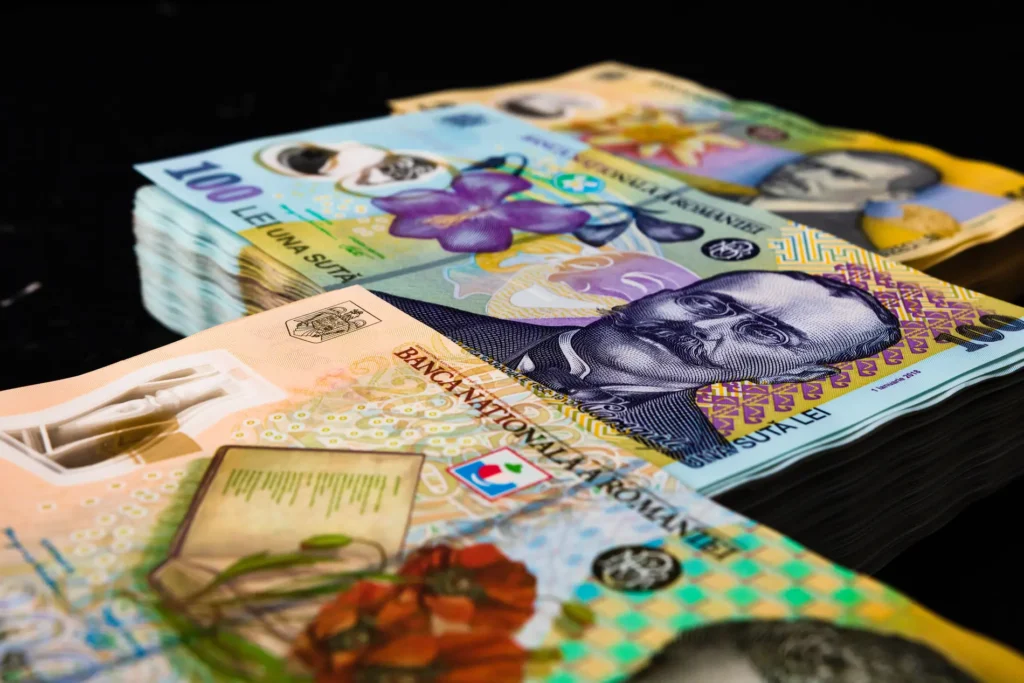
6.2 Budget Like a Dictator With Limits
Let’s be honest: once you start, it’s addictive. You’ll tell yourself, “Just one more Yugoslav hyperinflation note,” and suddenly you’re selling your blender to afford a North Korean 5000 won.
Set a budget. Seriously.
- Are you here to flip and earn, or to build a museum-worthy hoard that’ll outlive your houseplants?
- Decide early. Are you the “one of each country” type, or “nothing below UNC 67”?
- Include costs for grading, storage, postage, heartbreak, and the occasional therapy session after being outbid by a guy in Singapore with unlimited Wi-Fi and no conscience.
Remember: not every note is an investment. Some are just pretty. Which is fine — unless you try to retire on them.
6.3 Don’t Be a Lone Ranger With a Loupe
Thought it was a bargain? Trusted your instincts? Believed that seller with 12 feedback was legit?
Think again.
- Get a dealer you trust. Someone with a name, a face, and a website that wasn’t built in 2004.
- Use real grading services. PMG and PCGS exist for a reason — mostly to stop you from buying fake Sudanese fantasy notes printed in someone’s garage.
- Talk to people. No, really. The best tips come from grumpy collectors who’ve been burned and are now on a mission to save your soul.
Investing in banknotes isn’t just about money. It’s about knowing where to look, when to buy, and who to avoid like a plague-infested coin fair.
7. Final Thoughts: When Banknotes Becomes Power
There’s something wonderfully paradoxical about world banknotes. They’re just paper—or plastic, or polymer, or whatever the Central Bank’s latest eco-friendly obsession is. And yet… they hold stories, revolutions, forgotten kings, extinct currencies, and the occasional dictator with a very inflated opinion of himself.
In 2025, world banknotes aren’t just collectibles — they’re miniature masterpieces, cultural time capsules, and smart portfolio pieces.
This guide has taken you through the wild terrain of circulated vs. uncirculated, paper vs. polymer, auction houses vs. online platforms. But the truth is, no matter how you start—whether by hoarding Albanian 50 Leks or chasing down limited edition commemoratives from Kazakhstan—the key lies in one thing: passion backed by knowledge.
Why Now Is the Golden Age of Banknotes
In a world obsessed with the digital, the tangible becomes rare—and valuable. The clink of coins may be gone, but the rustle of banknotes still thrills collectors from Manila to Manchester.
- The global market is growing: New countries, new printings, and new collectors entering every day.
- Tech is helping: From blockchain verification to AR-enhanced catalogs, you can now authenticate your collection like a pro without leaving your desk.
- Opportunities are real: Notes that were once “cheap change” are now trading for hundreds. And those pristine uncirculated sets you forgot in a drawer? Might want to check again.
What To Remember Before You Dive Deeper
- Don’t chase trends blindly. A note with a monkey on it might be fun, but is it rare? Is it rising in value? Ask.
- Mix your channels: Buy online for range, offline for relationships. Auctioneers can be useful allies (as long as they’re not trying to sell you “very rare” fantasy money from the Republic of Nowhere).
- Join the tribe: The best insights come from real collectors—often grumpy, often brilliant, always helpful.
- Curate, don’t accumulate: The goal isn’t to own everything. It’s to build a collection that means something. Historically, artistically, or just because it makes you grin.
So, Where Do You Go From Here?
You’ve got the facts. You’ve got the flair. And you’ve hopefully avoided buying 100 fake Venezuelan Bolívares because the seller used Comic Sans in his listing.
Now it’s time to build. Collect with curiosity. Invest with caution. And above all — enjoy the ride.
Because in this hobby, every note tells a story. Some are about empires. Some about revolutions. And some are just about a small island nation that once printed glow-in-the-dark sea turtles on their currency.
And honestly? That’s exactly why we love it.
GlobeNote is here for your journey — whether you’re after your first polymer masterpiece or curating a vault of paper legends.
So go ahead. Find your next favorite. Your next investment. Or maybe, your next story.
Happy collecting.