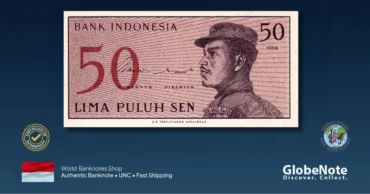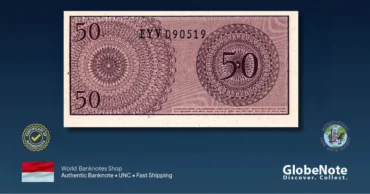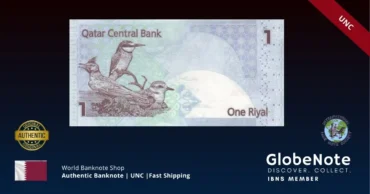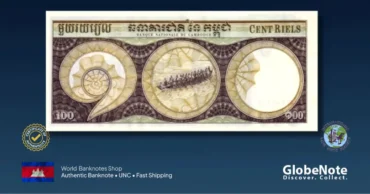
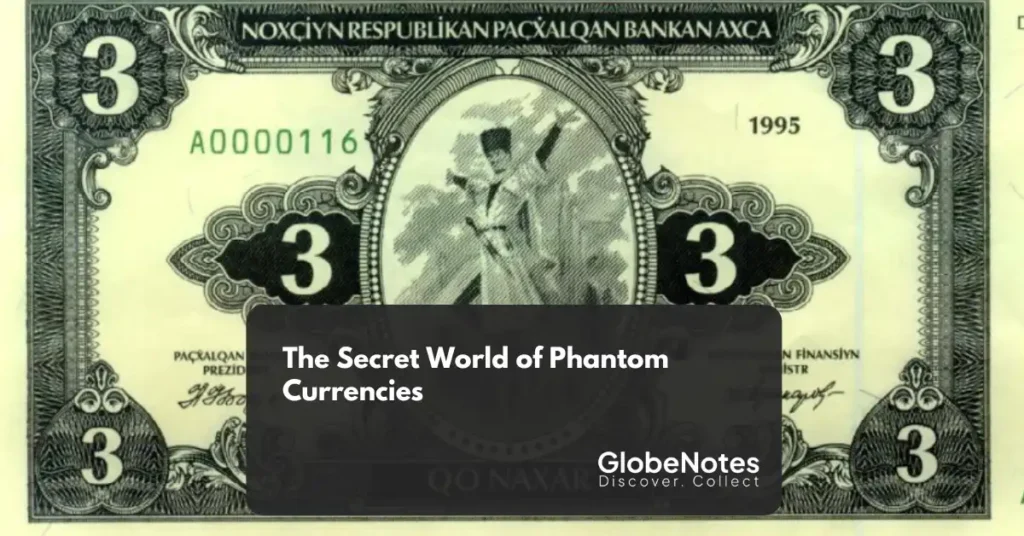
Phantom currencies exist beyond official central bank vaults, circulating as shadow money, fantasy test notes, military scrip, or unofficial local tender. From emergency wartime issues to obscure micronation bills, exploring these phantom currencies reveals a fascinating parallel world of monetary history that collectors and economists rarely get to see.
Phantom Currencies & Break-Away Banknotes
Collect banknotes related to this article
Explore authentic world banknotes connected to this country, region or collecting theme.
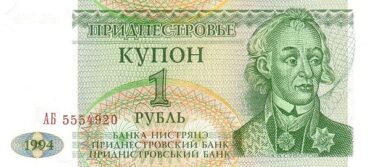
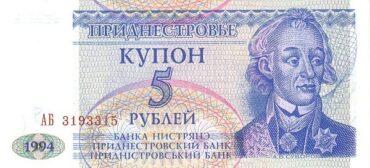
Phantom Currencies: Banknotes of Unrecognized States and Defunct Nations
Some banknotes represent more than money. They tell the story of countries that fought for independence, governments that disappeared, and territories that still exist outside international recognition. Known as phantom currencies, these notes are among the most fascinating areas of world numismatics because they combine history, politics, and security printing in a single collectible.
Unlike ordinary banknotes issued by recognized central banks, phantom currencies often emerge during wars, political crises, or declarations of independence. In some cases, governments simply overprinted older notes to keep the economy running. In others, they commissioned sophisticated banknotes from leading security printers. As a result, many of these currencies rival the quality of official national issues.
1. Key Unrecognized and Defunct Issuers
| Territory / Entity | Geopolitical Status | Currency Issued | First Year | Key Printing Partner |
|---|---|---|---|---|
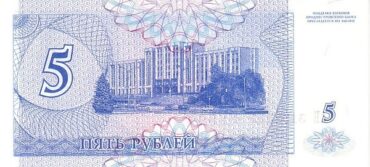
| Transnistria (PMR) | Unrecognized de facto state | Transnistrian Ruble (PRB) | 1993 | Goznak (Russia) |
| Somaliland | Unrecognized de facto state | Somaliland Shilling (SQS) | 1994 | De La Rue (UK) |
| Biafra | Defunct Republic (1967–1970) | Biafran Pound (BIA£) | 1968 | Harrison & Sons / Private |
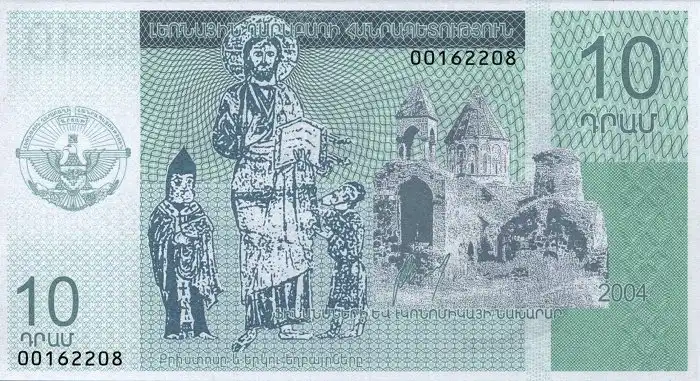
| Artsakh | Dissolved Entity (2024) | Artsakh Dram | 2004 | ODS (Austria) |
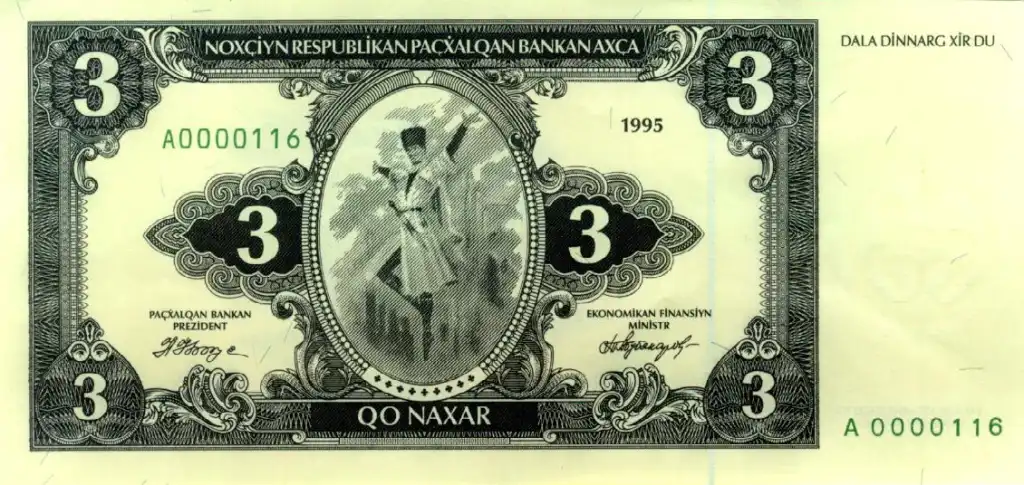
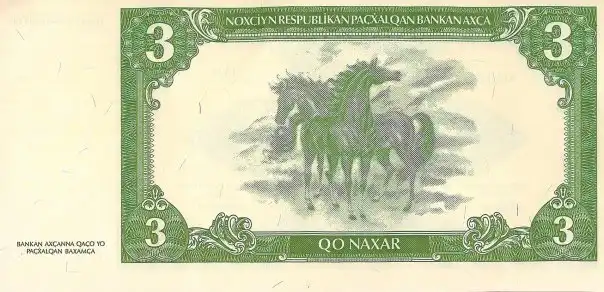
| Ichkeria | Unissued / Defunct Republic | Chechen Nahar | 1994 | European Security Printers |
2. The Stories Behind the World’s Best-Known Phantom Currencies
Transnistria’s First Emergency Banknotes
Transnistria has operated as a self-governing territory since the early 1990s. At first, it had no facilities to print its own banknotes. As a result, officials placed security stamps on old Soviet notes and used them as temporary legal tender. Although these emergency issues were simple, they allowed the region to establish its own monetary system.
From Temporary Money to Plastic Currency
Later, Transnistria introduced professionally printed banknotes and modern security features. In 2014, it attracted international attention by releasing composite plastic coins, one of the most unusual forms of circulating money ever produced. Today, these innovative issues are highly sought after by collectors.
Somaliland Builds Its Own Currency
Somaliland declared independence from Somalia in 1991. Soon afterward, it introduced the Somaliland Shilling to support its economy. Although the territory remains internationally unrecognized, the banknotes were printed by the British security company De La Rue. Consequently, the quality of the notes matches that of many fully recognized countries.
However, years of inflation have reduced the currency’s purchasing power. Because of this, carrying large bundles of banknotes is still common in the capital city of Hargeisa.
Biafra’s Wartime Currency
The Republic of Biafra existed for only three years during the Nigerian Civil War. During that period, the government introduced the Biafran Pound to reinforce its claim to independence. In addition, the notes displayed palm trees and the famous rising sun emblem, both powerful national symbols.
After Biafra collapsed in 1970, the currency immediately lost its legal status. Today, these banknotes remain among the most desirable historical issues for collectors interested in African paper money.
The Chechen Nahar That Never Reached Circulation
The Chechen Republic of Ichkeria also planned its own national currency. In fact, a complete series of Nahar banknotes was professionally printed in Europe. However, the First Chechen War began before the currency could be released. Therefore, none of the notes entered circulation, making them one of the world’s best-known unissued banknote series.
3. How Do Unrecognized States Print Their Own Money?
Printing secure banknotes requires advanced technology. However, international recognition is not always necessary. Over the years, unrecognized governments have used different methods to produce their currencies.
Commercial Security Printers
Many private banknote companies work on a commercial basis rather than a political one. Therefore, they may print banknotes for clients that are not recognized as sovereign states, provided the contracts comply with applicable laws.
Support from Allied Governments
In other cases, an allied country provides technical expertise or printing facilities. For example, Transnistria has relied on Russia’s state printer, Goznak, for several of its banknote issues.
Collector and Commemorative Issues
Some territories also produce limited banknote series aimed at collectors. Besides promoting national identity, these issues generate valuable foreign currency through numismatic sales. As a result, collector editions have become an important source of revenue for several disputed territories.
Collector Tip: Phantom currencies offer much more than unusual designs. They document wars, independence movements, political transitions, and forgotten chapters of world history. When browsing GlobeNote, pay special attention to emergency overprints, specimen notes, provisional issues, and unissued banknotes. In many cases, these pieces tell stories that traditional
In world numismatics, few niches carry as much intrigue as “Phantom Currencies”—banknotes issued by de facto states lacking international recognition, break-away territories, or nations that disappeared from world maps decades ago. For a nation striving for independence, printing its own money is the ultimate symbol of sovereignty alongside a flag and an anthem.
3. The Legal Question: How Do Unrecognized States Print Money?
How can non-existent states on official UN maps secure high-tech intaglio printing, watermark paper, and optical security threads? The answer lies in three industry mechanisms:
- Commercial Neutrality Clauses: Commercial printers operate as private service providers. If a de facto government holds territorial control and liquid assets, private security printers may fulfill contracts provided no direct international sanctions are breached.
- Protector State Support: Many unrecognized territories rely directly on the national mints of their primary political allies (e.g., Transnistria printing via Goznak in Moscow).
- Collector Seigniorage: For smaller entities like Nagorno-Karabakh (Artsakh), issuing small runs of decorative legal tender notes generates foreign currency revenue directly from international collectors.
📌 Collector’s Takeaway for Globenote Users
Collecting banknotes from unrecognized states and defunct nations offers an incredible intersection of geopolitics, history, and rare iconography. Because these notes are produced in relatively small quantities or during brief historical windows, their condition and provenance are paramount.
When searching for exotic and non-standard notes on globenote.net, look out for overprints, local stamps, and regional issues—they tell stories that standard world catalogs often overlook!
❓ Frequently Asked Questions (FAQ)
Why do unrecognized states print their own banknotes?
Unrecognized states issue banknotes to establish monetary sovereignty, facilitate local trade, reduce dependence on foreign currencies, and project legitimacy both domestically and internationally.
Are banknotes from unrecognized states legal tender?
They are legal tender only within the de facto boundaries controlled by the issuing authority. They cannot be exchanged at commercial banks or official currency exchanges outside their region.
Who prints banknotes for break-away territories?
They are typically manufactured by state mints of allied countries (e.g., Russia’s Goznak printing for Transnistria) or contracted through private commercial security printers such as UK’s De La Rue under private service contracts.
Are phantom banknotes legal to collect and buy?
Yes, collecting phantom currencies, defunct country banknotes, and unrecognized state notes is entirely legal worldwide and forms a popular sub-field of paper money numismatics (notafily).
References
- Transnistrian Republican Bank (PRB), Official Currency History & Composite Series Archive.
- Bank of Somaliland Official Portal, Central Banking History & Legal Tender Regulations.
- Numista Numismatic Database, Unrecognized States & Breakaway Territories Catalog.
- International Bank Note Society (IBNS), Research on Exotic & Specialized Paper Money Issues.
- Banknote News (Owen Linzmayer), Global Paper Money Catalog & Special Reports.